 By Mark WhiteOwner & Executive Producer, DFW Live Stream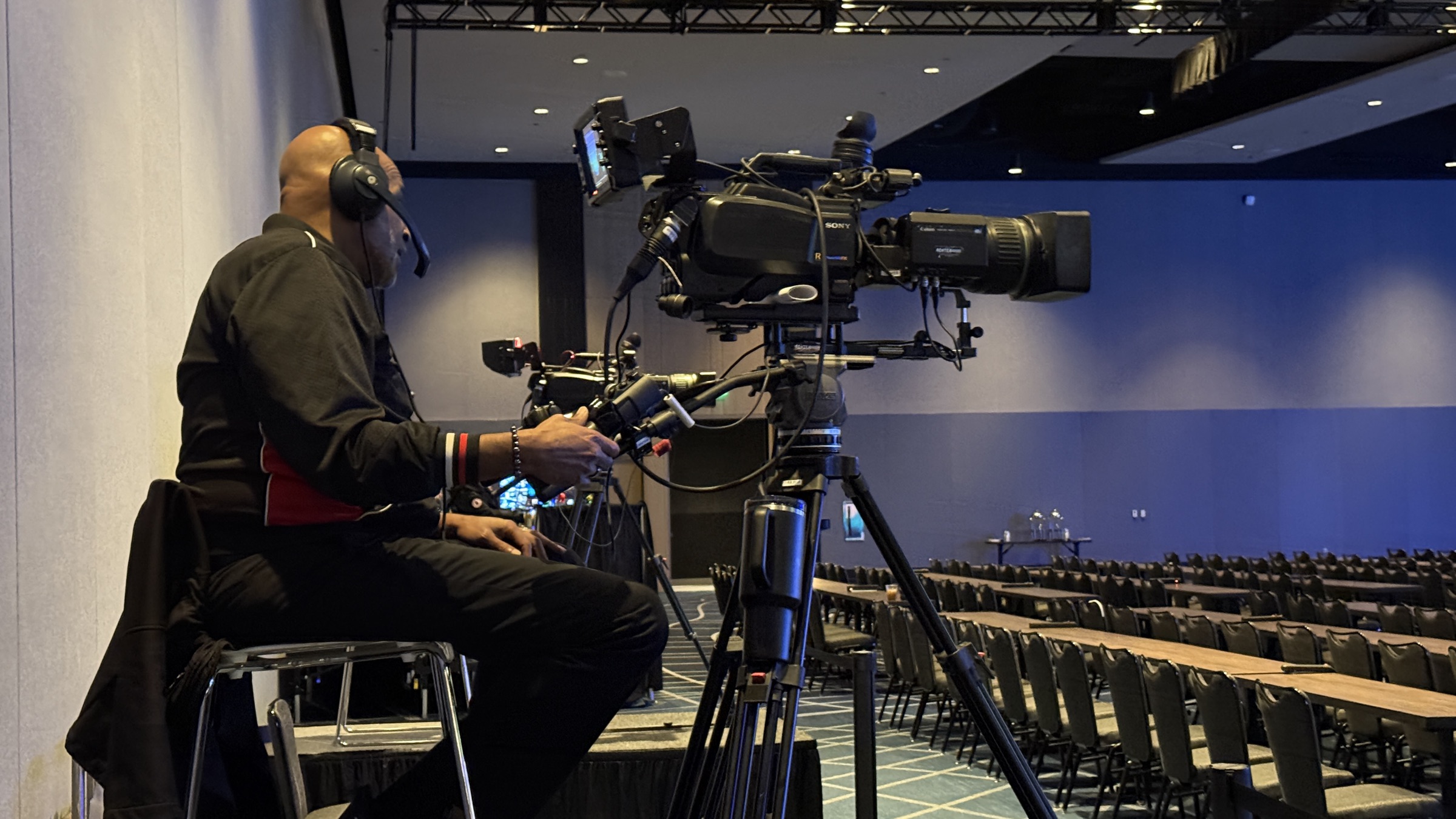
Short version: when you book a corporate event videographer, you're hiring someone to capture a live, one-time event, on a schedule you don't control, and turn it into footage your company can actually use afterward. That's a different job from shooting a brand video or an interview in a controlled room. The event doesn't stop for a second take, the lighting is whatever the venue has, and the deliverable is usually needed fast. (Updated September 28, 2026.)
I'm Mark White, owner of DFW Live Stream. We cover conferences, sales kickoffs, galas, and leadership meetings across Dallas-Fort Worth, sometimes as pure video coverage and often alongside a livestream. If you're figuring out whether you need a videographer or a full event video production company, that hub post sorts out the categories. This one is about the specific engagement: what a corporate event videographer does on the day, what you should get back, and what it costs.
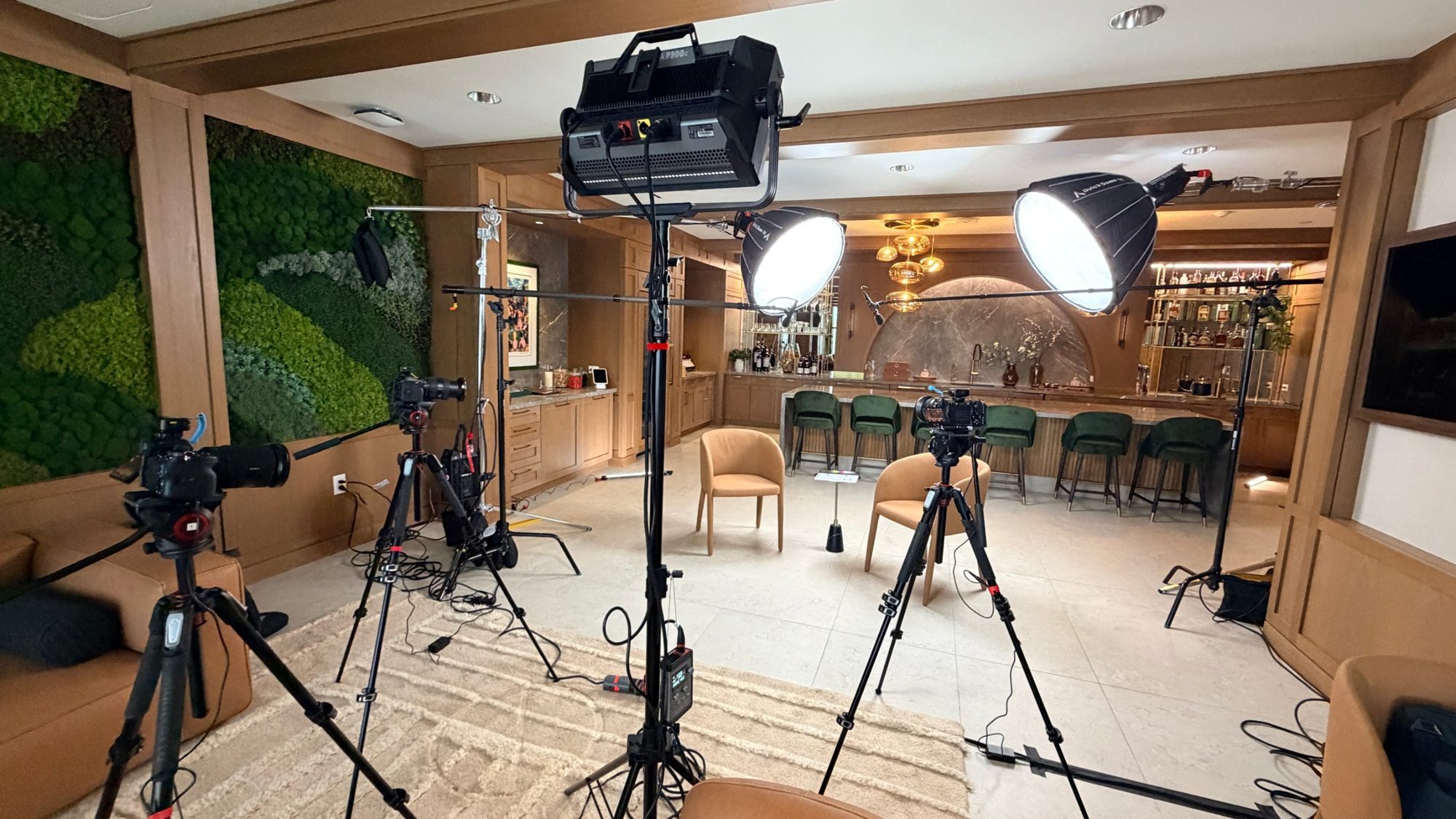
The job is capture under pressure. A corporate event videographer shows up before doors, scouts the room, figures out where the light and the sound are going to be, and then covers a program that runs on the organizer's clock, not theirs.
That means getting the keynote clean from the right angle, catching the audience reactions that make a highlight reel work, moving between the general session and the breakouts, grabbing the sponsor booths and the networking moments, and doing all of it without being in anyone's way. Half the skill is knowing where to stand thirty seconds before something happens. If you're evaluating the role more broadly, including studio and interview work, hiring a corporate videographer covers that side.
On a planned shoot, the videographer controls everything: lights, framing, when the subject talks, how many takes. At an event, they control almost nothing. The CEO walks on stage when the CEO walks on stage. The ballroom lighting is set for the people in the room, not the camera. The audio comes from a house system that somebody else is running.
That's why event coverage is its own specialty. The person you want has done a lot of it, owns gear that handles low light and mixed color temperatures, knows how to get a clean audio feed from the venue's board or run their own wireless mics, and can stay calm when the run of show slips by forty minutes. A videographer who's excellent at brand films can still have a rough day at a conference, because the skills only partly overlap.
The deliverables are the whole point, so lock them down before the event. A typical corporate event videography engagement returns some combination of a highlight reel, full session recordings, short social clips, and raw footage.
The highlight reel is usually two to four minutes, cut for marketing: the energy of the room, the best lines from the stage, attendees engaged, a clean brand close. Session recordings are the long-form capture of each keynote or panel, typically lightly edited with slides, for people who couldn't attend or for a training library. Social clips are 30 to 90 second vertical or square cuts pulled from the best moments. Raw footage is the unedited capture, handed over if your team wants to cut its own pieces later.
Timing matters as much as the list. A same-week highlight reel keeps your event in the feed while people still care. Session recordings can take longer. Ask for a delivery date for each item, not just "after the event."
One videographer can cover a single-room event with one stage. The moment you add a second room, a simultaneous breakout, or a program where the stage and the hallway matter at the same time, one person is physically in the wrong place half the day.
A rough guide: one operator for a single-track meeting or half-day session; two for a full-day conference with a general session and breakouts, or when you want both stage coverage and roaming b-roll; three or more for multi-track conferences, multi-day programs, or events where session recordings and a highlight reel both need to be good. If a vendor quotes one person for a three-room conference, they'll deliver something, but it won't be full coverage.
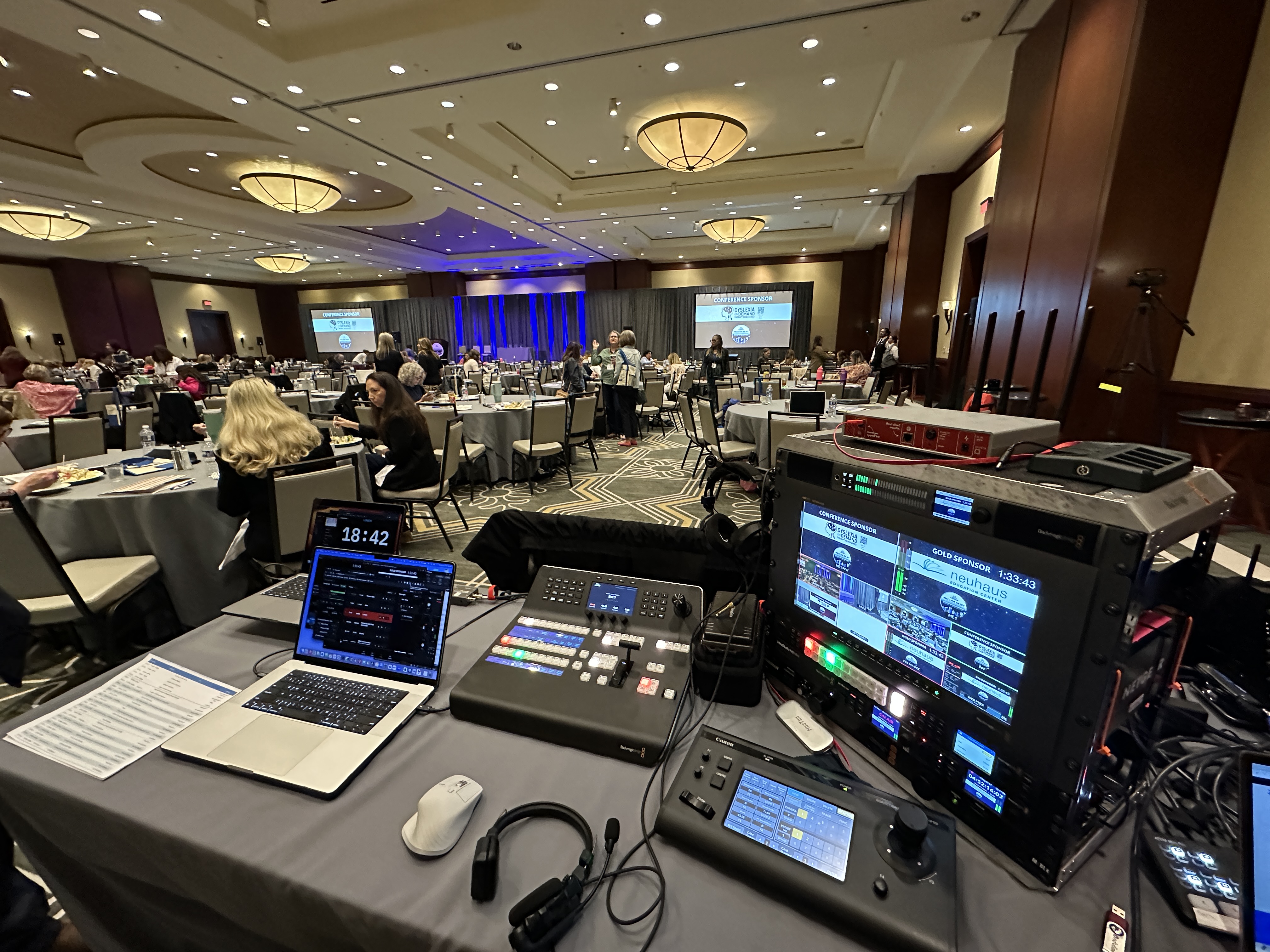
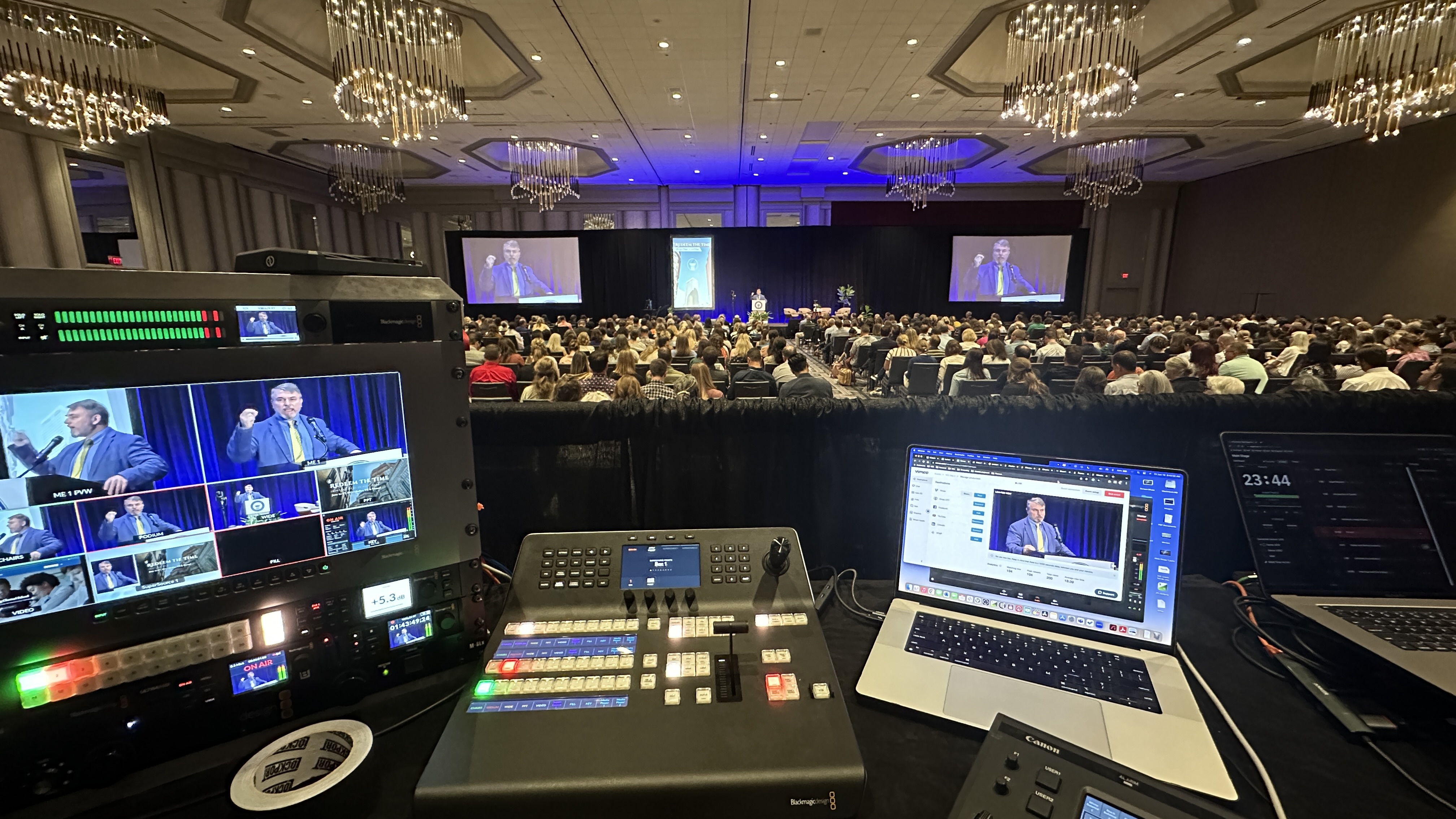
When an event needs a livestream as well, the math changes. The cameras covering the stage for the stream can double as the recording, and the videographer's job shifts toward the b-roll and the moments the fixed cameras miss. I wrote about how the two fit together in multi-camera live production.
This is the decision most planners end up making, so it's worth being direct about it. If nobody needs to watch remotely and you just want great footage afterward, a corporate event videographer is the right hire. If people need to watch it live, you need a livestream, and the videographer becomes part of a larger crew or gets replaced by the production team's cameras.
The trap is booking a videographer and then, two weeks out, asking them to "also stream it." Event streaming needs a switcher, an encoder with internet redundancy, a separate audio mix, and someone monitoring the outgoing feed. A solo videographer with a camera and a laptop isn't set up for that, and it shows. If there's any chance you'll want a remote audience, decide early so the crew and gear are planned for it. The difference between the two is laid out in livestream production company vs. freelance videographer.
Professional event coverage is priced on crew, gear, hours, and the editing behind the deliverables. As a general guide, a professionally crewed single-camera engagement typically starts around $3,900, and multi-camera coverage, which is what a full-day conference with session recordings and a highlight reel usually needs, generally runs $5,000 to $15,000. Multi-day programs land higher. The editing scope moves the number inside those ranges more than anything else: raw footage handoff is cheap, a polished highlight reel plus a dozen social clips is not.
If a quote comes in far below those numbers, it's worth asking what's missing. Sometimes the answer is legitimate: one operator, no editing, raw files only. Sometimes it's the audio, and you find out when the keynote recording sounds like it was captured from the back of the room. For the local market picture, corporate video production in Dallas goes deeper.
If your event is in Dallas-Fort Worth, hire someone who already knows the local venues. The footage quality comes from the same skills anywhere, but the day goes smoother when your crew has already loaded in at that ballroom and knows who to call about the sound board.
DFW runs on big hotel ballrooms and convention space: downtown Dallas, the Las Colinas and Irving corridor, the resort properties out in Grapevine, and the newer venues up in Frisco and Plano. A lot of those hotels have an in-house AV company, and some of them charge an outside vendor a patch fee or require their own tech to be present when anyone pulls audio from their system. That's not a problem if you know about it going in. It's a real problem if you find out at load-in. A local videographer should ask about the in-house AV contract before they quote, and should be able to tell you which rooms they've worked in.
The other local factor is timing. Fall and spring are packed here. Conference season, sales kickoffs in January, and year-end leadership meetings all stack on the same weeks, and the good event crews in town book up. If your event falls between September and November or in January and February, start the conversation eight to twelve weeks out.
Finally, a local crew means no travel line on your quote. When we work in DFW, our team drives in with the gear, so the budget goes into operators and editing instead of flights and hotel rooms. If you're comparing a Dallas crew to one flying in, ask the out-of-town vendor to break travel out separately so you're comparing the same thing. And if your Dallas event also needs a remote audience, corporate live streaming in Dallas covers what the stream adds.
You don't need to be technical to hire this well. Ask for event work specifically, not just a general reel. Ask how they'll get audio from the stage, and whether they've pulled a feed from a venue sound board before. Ask how many operators, and who exactly is showing up. Ask for a written deliverables list with a date next to each item. Ask what happens if the schedule slips. And ask what they need from you: the run of show, a contact at the venue, and a point person on your team who can say yes on the day.
Good answers are specific. Vague answers about "professional quality" without naming what you'll receive are a sign to keep looking. If the event is high-stakes, book early: fall and spring conference seasons fill up months out.
If you've got an event on the calendar and you're not sure whether you need coverage, a stream, or both, grab 20 minutes with me and we'll figure out the right shape for it. No pressure, just a planning conversation.
They capture a live company event, such as a conference, sales kickoff, gala, or leadership meeting, and turn the footage into usable deliverables: a highlight reel, session recordings, social clips, or raw footage. The work happens on the event's schedule with no second takes, which makes it a different specialty from studio or brand video.
Professionally crewed single-camera coverage typically starts around $3,900. Multi-camera coverage of a full-day conference with edited deliverables generally runs $5,000 to $15,000, and multi-day programs land higher. Editing scope is the biggest variable inside those ranges.
One operator handles a single-track meeting. A full-day conference with a general session and breakouts usually needs two, and multi-track or multi-day programs need three or more if you want session recordings and a highlight reel to both be strong.
A videographer captures footage for use after the event. A livestream company broadcasts the event live to a remote audience, which requires a switcher, an encoder with internet backup, a separate audio mix, and live monitoring. If you need both, plan it early so one crew covers both jobs.
Each item you expect, with a format and a delivery date: highlight reel length, which sessions get full recordings, how many social clips, and whether raw footage is included. A same-week highlight reel is worth asking for if marketing plans to use it.
Either by taking a clean feed from the venue's sound board or by running their own wireless mics on presenters. Relying on the camera's built-in mic from the back of a ballroom is the most common reason event footage is unusable.
Not with a single camera and a laptop. Streaming needs additional gear and crew. If there's any chance you'll want remote viewers, say so when you book so the engagement is scoped as a production rather than coverage.
Four to six weeks is comfortable for a standard event. Larger conferences and anything during fall or spring conference season should be booked eight to twelve weeks out.
Ask for footage from corporate events specifically, ideally in DFW venues like downtown hotel ballrooms or convention centers. Then ask whether they've worked with the venue's in-house AV team before, and who exactly will show up. A local crew that already knows the room saves you surprises at load-in.
It can. Some DFW hotels require outside vendors to pay a patch fee or work alongside the house tech to pull audio from their sound system. Ask your venue about it early and share the AV contract with your videographer before they quote.
Mark runs DFW Live Stream and has been producing corporate livestreams, conferences, town halls and webinars across Dallas–Fort Worth and around the country since 2017. He writes these from the production desk, not a marketing department, and uses AI tools to help draft and structure them. Every post is read, fact-checked and edited by him before it goes live.