 By Mark WhiteOwner & Executive Producer, DFW Live Stream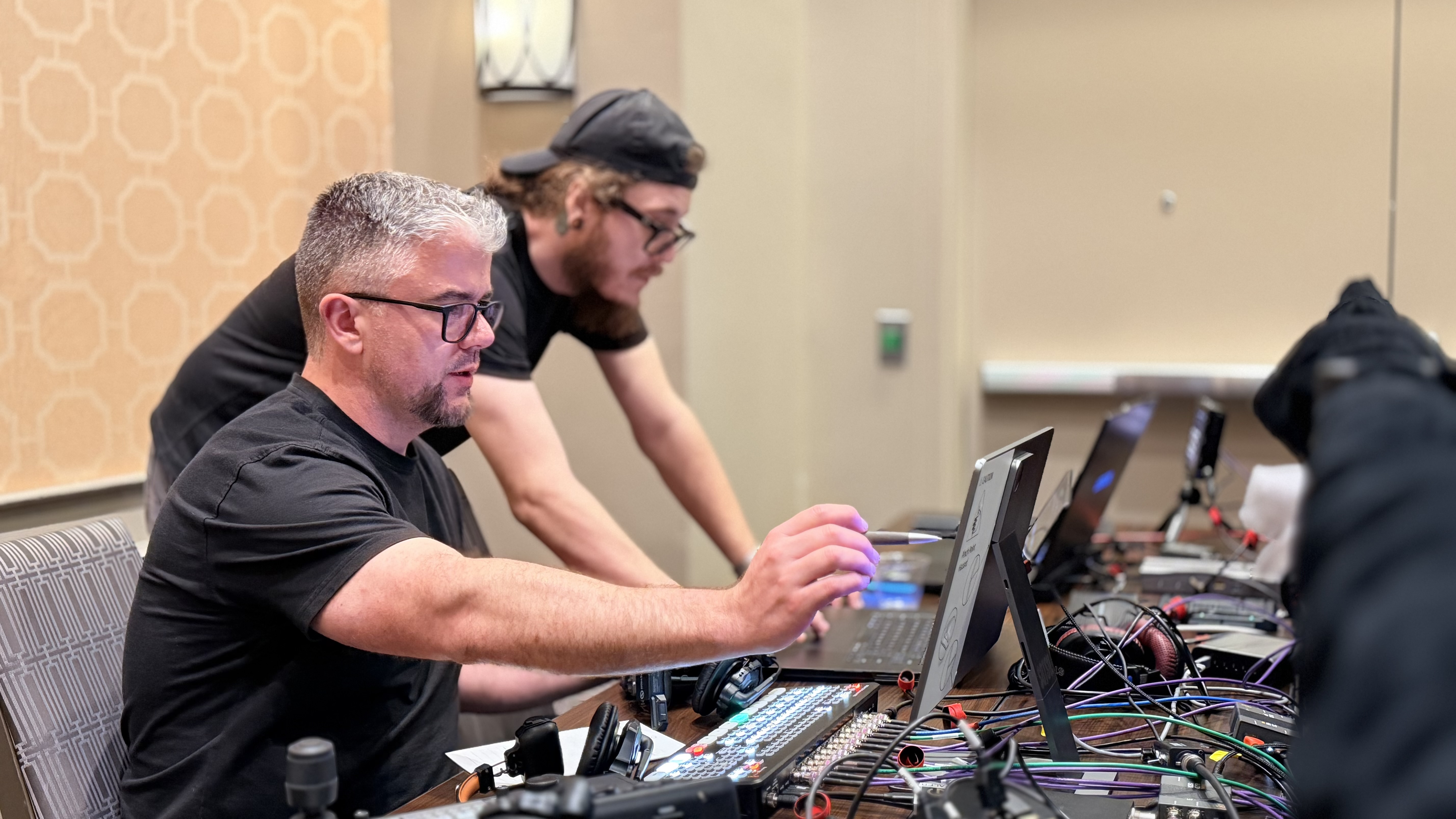
Here's the short version: for a standard single-room corporate livestream, four to six weeks out is comfortable. For a multi-camera or hybrid event, give it six to eight weeks. For a multi-day conference or anything that involves travel, two to three months is ideal. Can we move faster than that? Often, yes, and we book last-minute events regularly. But the earlier you lock in a date, the more options you have, the smoother the planning goes, and the less you risk paying a rush premium or finding your date already taken.
The real answer depends on the complexity of your event, the time of year, and how much coordination it needs with your venue and other vendors. Let me break it down by event type so you can figure out where yours lands.
Booking early isn't about us needing the lead time to do the work. It's about giving you room to make good decisions instead of scrambling. The closer you get to your date, the fewer good options you have on the table.
When you reach out early, we can hold your date before someone else takes it, walk through your venue's specific requirements, coordinate with your AV team or event planner, and build a setup that actually fits your event instead of a generic one. We can also catch problems while they're still cheap to fix, like a venue with no hardwired internet or a stage layout that needs a different camera plan. When you wait until the last couple of weeks, all of that gets compressed, and compression is where mistakes and rush fees live. If you want the full picture of how an engagement unfolds, our guide on what to expect when you hire a livestream company walks through every stage.
For a straightforward webinar or a single-operator virtual stream, three to four weeks is plenty of runway. These setups are the most flexible because there are fewer moving parts to coordinate.
A full-virtual single-operator stream, which generally starts around $1,595, doesn't need a venue walkthrough or a big crew schedule, so we can turn these around quickly. We still want time to test your platform, confirm your run of show, and do a tech check with your presenters, but the lead time is shorter than an in-person production. If you're weighing whether to hire out at all, our piece on a livestream company versus DIY streaming is a good gut check before you book anything.
A single-room in-person livestream with a small crew sits comfortably at four to six weeks of lead time. This is the sweet spot for most corporate events like town halls, single-day meetings, and panel sessions.
In-person events, which start around a $3,900 floor, add the venue into the equation, and that's the main reason they want a little more runway. We need time to confirm the venue's internet and power, figure out where cameras and the production position go, and coordinate load-in with whoever runs the room. Six weeks gives us margin to handle surprises; four weeks is doable when things are straightforward. If you're curious what shapes the number on your quote, our breakdown of what it costs to livestream an event lays out the variables.
Once you add multiple cameras, a hybrid in-person-plus-virtual audience, or graphics and switching, six to eight weeks becomes the realistic target. These events generally run $5,000 to $15,000 and have enough moving parts that earlier is genuinely better.
A multi-camera production means coordinating camera positions, a switching plan, audio routing, and often a larger crew, all of which benefit from a venue walkthrough and a real planning conversation. Hybrid events add another layer because you're serving two audiences at once and the remote experience has to be deliberately designed, not bolted on. The extra weeks let us get the run of show tight and test everything before your audience shows up.
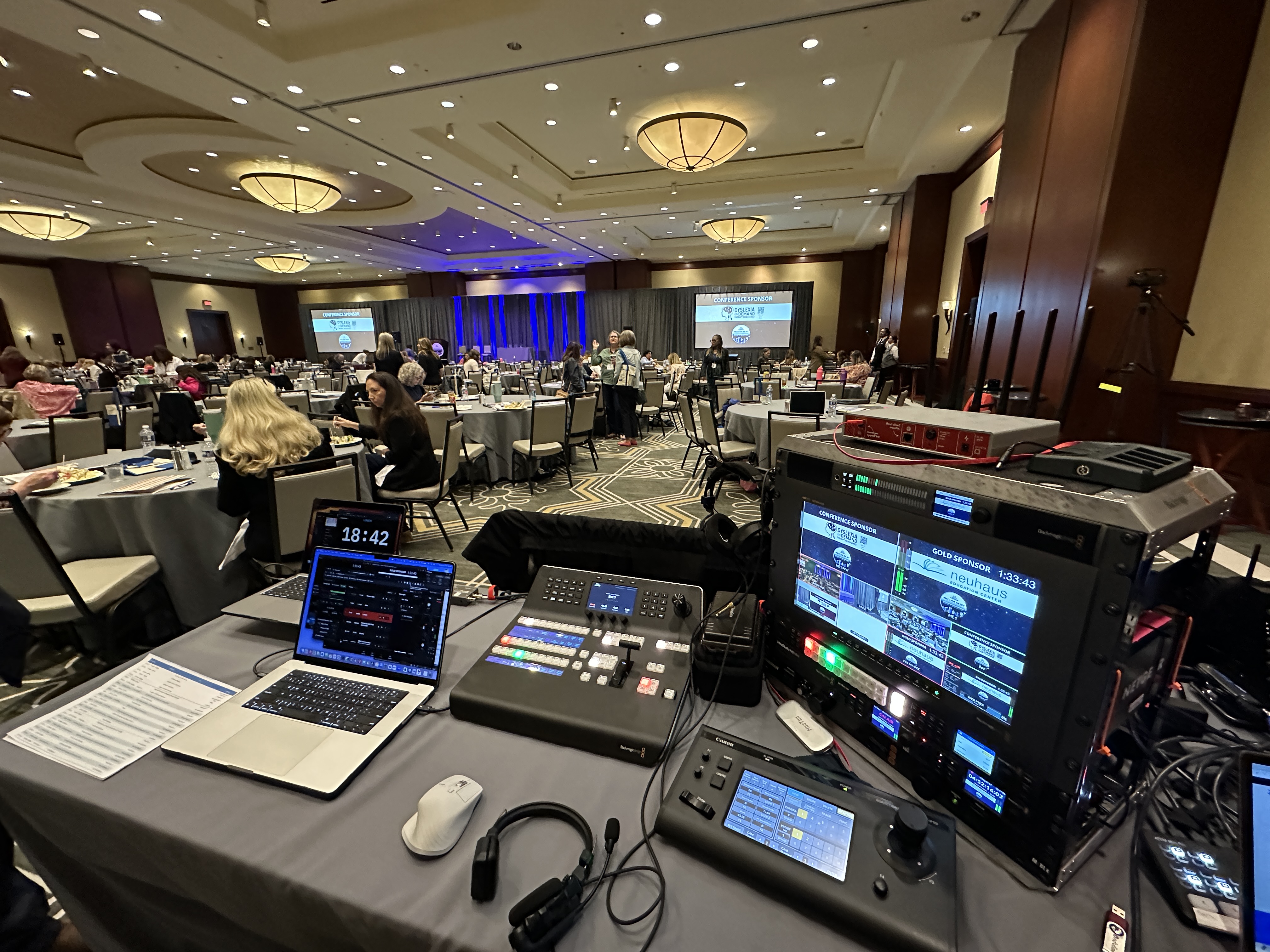
For a multi-day conference, a large hybrid production, or anything that requires travel, give it two to three months. These are the events where last-minute booking gets expensive and risky.
Multi-day conferences typically run $11,000 to $30,000 and up, and they involve crew scheduling across several days, gear logistics, often a dedicated setup and testing day, and tight coordination with your venue and other vendors. Travel events add flights, lodging, and equipment transport on top of that. Booking two to three months out means we can lock crew, plan logistics properly, and price it cleanly, with domestic travel typically adding somewhere in the range of $3,800 to $4,600. The earlier we start, the more we can optimize instead of just react.
The weeks between booking and show day aren't padding. There's a real sequence of work that happens, and the more compressed it gets, the more corners get cut. Here's what we're actually doing with that time.
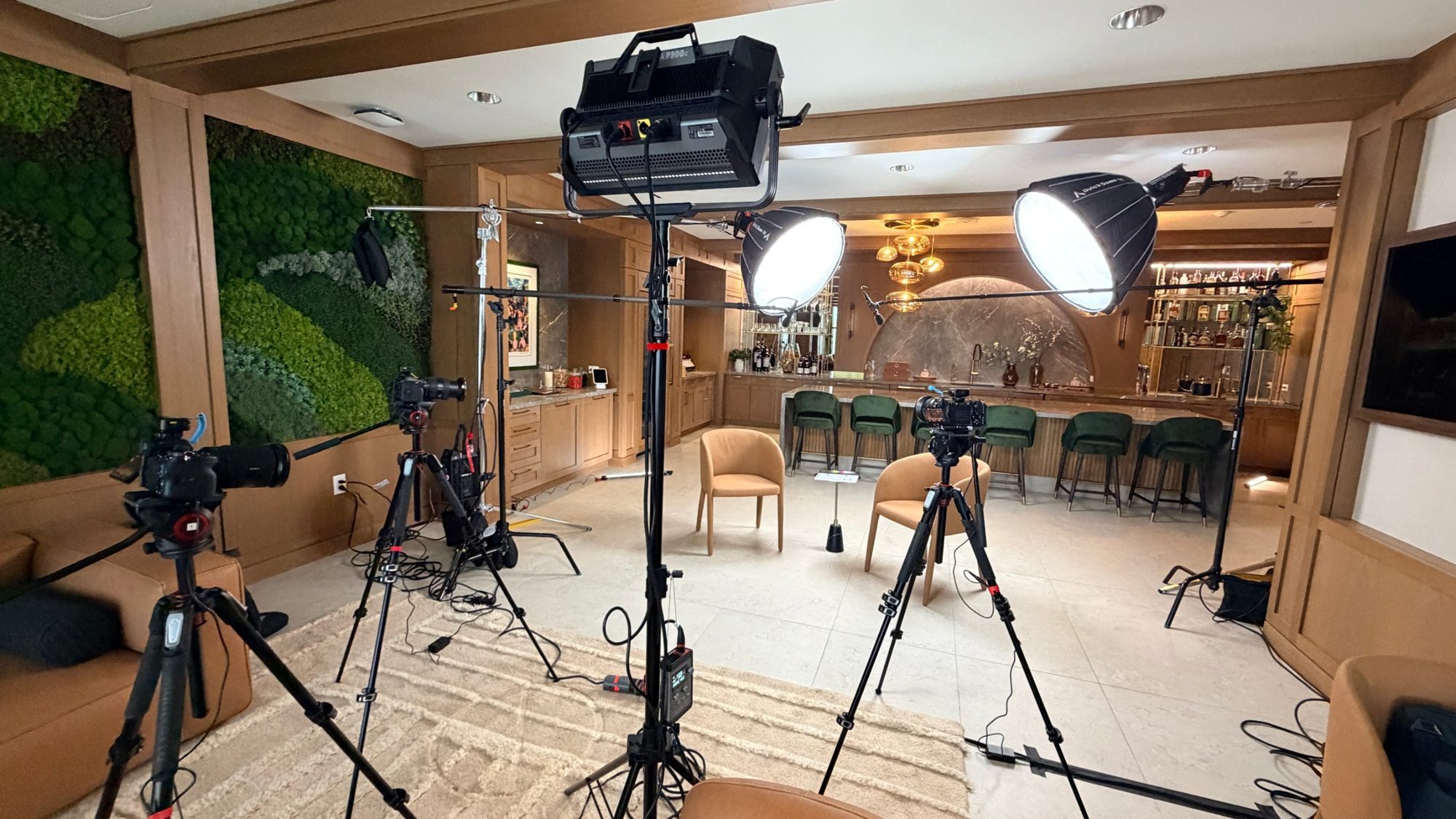
First is the site survey. For anything in-person, we either visit the venue or get on a detailed call with whoever runs the room. We're checking for hardwired internet versus relying on house Wi-Fi, where the power drops are, how the room is laid out, where the stage and screens sit, and where we can put cameras and the production position without being in the audience's way. A surprising number of venues have no usable internet for streaming, and finding that out three days before the event is a problem. Finding it out four weeks out means we bring a bonded cellular solution like a LiveU Solo Pro and it's a non-issue.
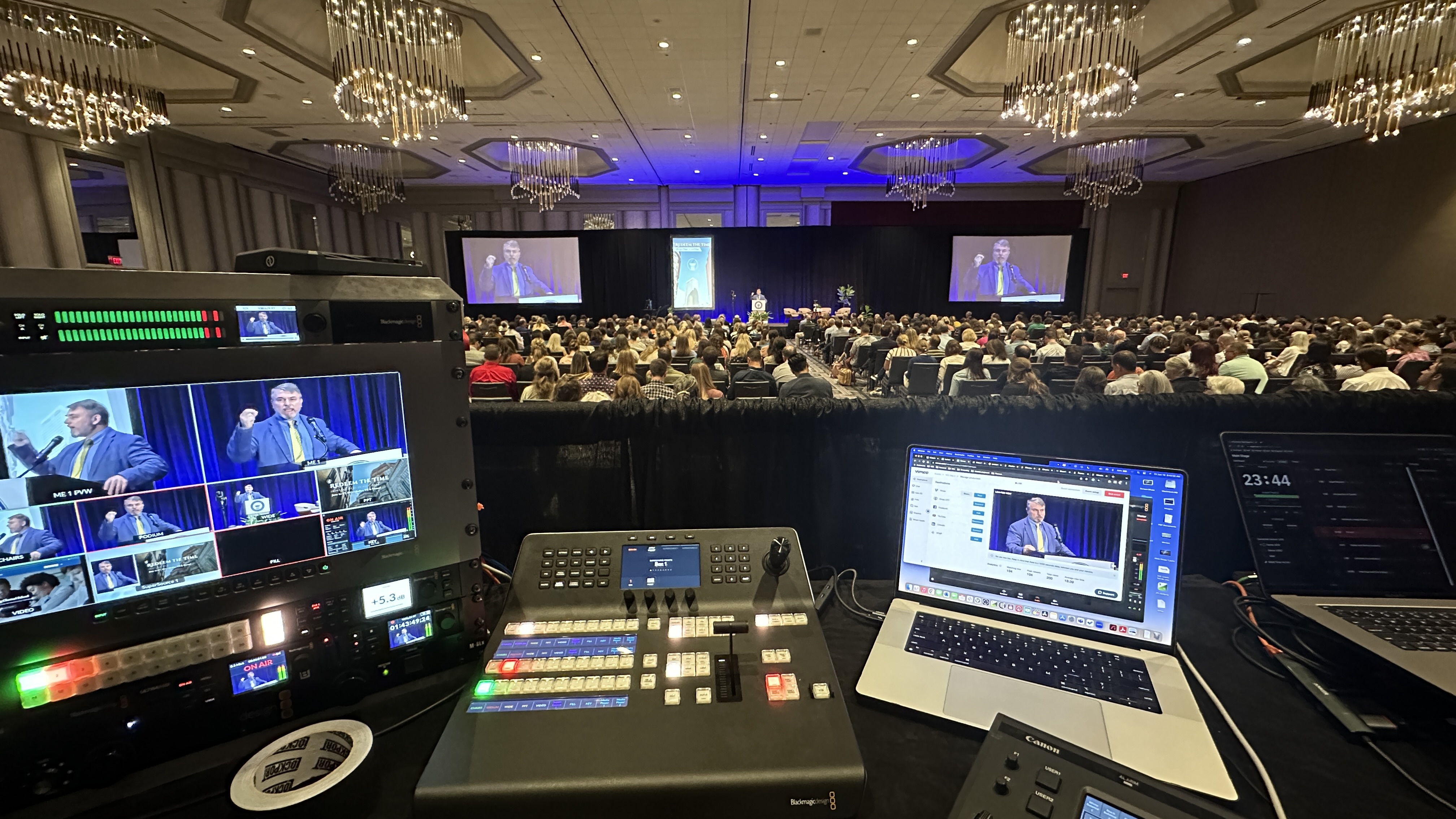
Next is the run of show. We sit down with your agenda and map it minute by minute: who's walking on stage when, when a video rolls, when we cut to a remote presenter, when the Q&A starts. This is where we figure out how many cameras you actually need and what each one is covering, whether it's a Canon CR-N500 PTZ on the stage and a wide on a tripod, or a fuller multi-camera plan. A tight run of show is the difference between a stream that feels produced and one that feels like a security camera.
Then there's gear prep and crew booking. Once the plan is set, we pull the right kit, an ATEM switcher and the camera package for your camera count, the Sennheiser wireless and the Allen & Heath SQ5 for audio if it's a bigger room, and the streaming and recording gear. We confirm crew. For a multi-camera or multi-day job, the operators who are good and available get booked weeks out, not days out. The more lead time, the more likely you get the A-team instead of whoever's left.
Last is the tech check and rehearsal. Ideally we do a full test, confirm the encode is hitting your platform cleanly, run audio levels, check lower thirds and graphics, and walk your presenters through it so nobody's surprised on the day. On a multi-day conference this is a dedicated setup day. On a tight timeline, the rehearsal is the first thing that gets squeezed, and that's exactly the safety net you don't want to lose.
The calendar is the other half of this. Corporate event season is real, and it clusters hard. Spring runs roughly March through May, and fall runs September through November. Those are the months when conferences, annual meetings, galas, and product launches stack up, and they're the months when good crews and gear get booked first.
Here's the part that catches people off guard: it's not just whether we're available, it's whether the right crew and the right gear are available on your specific date. If three events land on the same Thursday in October, the operators and the camera packages get spoken for fast. Booking early isn't about reserving a calendar slot in the abstract, it's about claiming the specific people and equipment that make your event good before they're committed elsewhere.
If your date falls in one of those peak windows, treat the lead-time numbers above as the floor, not the target. A standard in-person event that's comfortable at four to six weeks in a quiet month is one I'd want locked in earlier if it lands on a busy fall Thursday. And if you already know your date, even months out, there's no downside to reaching out now and getting it held. The off-season events, January, summer, and the holidays, have more give, but the popular dates in those clusters still go quickly.
You don't need a finished plan to reach out. Half the value of an early conversation is that we build the plan together. But the more of these you can answer up front, the faster and more accurate your quote is, and the less back-and-forth before you've got a real number.
Here's what helps most:
If you've only got half of these, send what you have. A date and a venue is enough to start the conversation. The rest we'll work out together, and the earlier we start, the more time there is to get it right.
Reach out anyway. We book last-minute events all the time, and a tight timeline is not an automatic no, it just changes the conversation.
If your date is two weeks out, call us. Worst case, we're already booked and can point you to someone; best case, we make it happen. The honest tradeoffs with a compressed timeline are fewer choices, possible rush pricing if crew or gear is tight, and less room to fix venue surprises, but none of that means it can't be done well. The thing I'd never recommend is skipping the planning entirely to save time, because that's exactly how corporate livestreams fail. Whether you've got three months or three weeks, getting us in the loop early is always the better move.
For a standard in-person corporate event, four to six weeks is comfortable. Simple virtual events need only three to four weeks, while multi-camera or hybrid events want six to eight, and multi-day or travel events are best booked two to three months out.
Often, yes. We book short-notice events regularly. A tight timeline means fewer options and possibly rush pricing if crew or gear is limited, but it's frequently very doable. The sooner you reach out, the better, even if your date is close.
It can. Early booking avoids rush premiums, gives us time to plan an efficient setup rather than an overbuilt one, and lets us catch venue issues while they're still cheap to solve. It also locks in your date before it gets taken.
More cameras, a hybrid audience, multiple days, or travel all add coordination, crew scheduling, and logistics. That complexity benefits from a venue walkthrough and real planning time, which is why larger events want six weeks to a few months instead of a few weeks.
Yes. Spring and fall are peak corporate event season, and good crews and gear get committed first. If your date falls in March through May or September through November, book earlier than the baseline, because availability on a specific busy date tightens fast.
At minimum, a date and a venue. Beyond that, audience size, whether it's hybrid, how many rooms or sessions, and a rough run of show all make the quote faster and more accurate. Send whatever you have and we'll build the rest together.
We run a site survey, build a detailed run of show, prep and pull the right gear, confirm crew, and do a tech check or rehearsal. On a multi-day event that includes a dedicated setup day. That sequence is why lead time matters, the rehearsal is usually the first thing a rushed timeline loses.
Mark runs DFW Live Stream and has been producing corporate livestreams, conferences, town halls and webinars across Dallas–Fort Worth and around the country since 2017. He writes these from the production desk, not a marketing department, and uses AI tools to help draft and structure them. Every post is read, fact-checked and edited by him before it goes live.