 By Mark WhiteOwner & Executive Producer, DFW Live Stream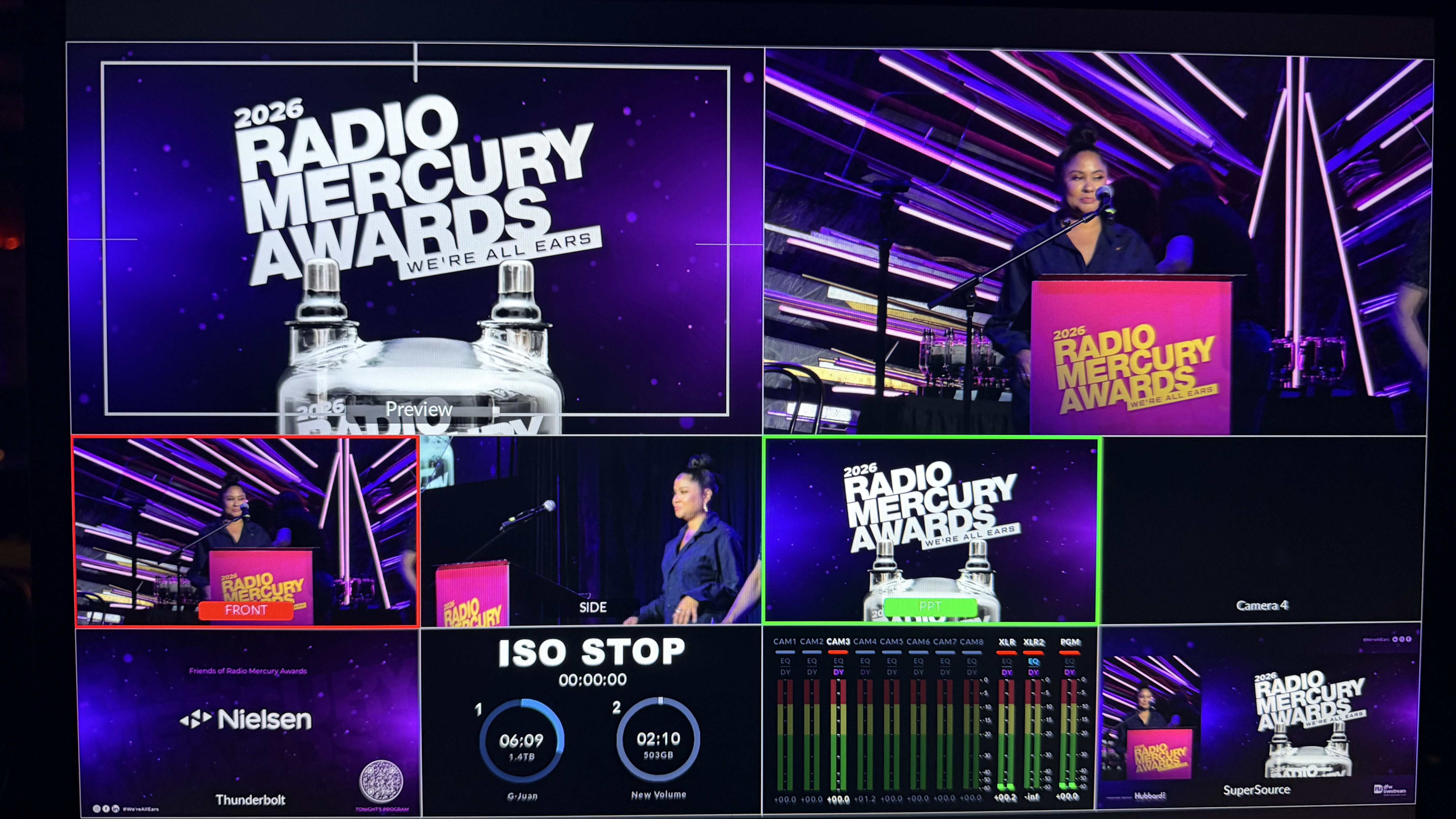
An awards night is one of those events where you only get one take. The winner walks across the stage once. The room reacts once. Someone's spouse and kids are watching from three states away, and they want to see that moment as clearly as the people in the ballroom. There's no "let's run it again." That's what makes a gala or recognition event different from a normal corporate stream, and it's why the planning matters so much.
Here's the short version. To livestream an awards ceremony or gala well, you need a multi-camera setup so you can catch both the stage and the reactions, a dedicated audio feed off the house mixing board so speeches and music come through clean, and built-in redundancy so a single failure doesn't take the broadcast down. You also want a crew that's done live events before, because the entire night is unrepeatable. Plan for the celebratory feel, the stage lighting, and the live moments you can't re-shoot, and you'll end up with a night that feels special for everyone watching and a clean recording to share afterward.
Below I'll walk through what actually goes into producing one of these, how we think about it when we take on an awards night, and what to ask any vendor you're considering.
A typical webinar or panel is forgiving. If audio drops for ten seconds, you apologize and move on. An awards ceremony has zero margin for that, because the emotional peaks happen live and they don't come back. When a name gets called and the room erupts, that's the shot the family at home is waiting for. Miss it and you can't recreate it.
On top of that, these nights are built to feel special. There's usually a stage, a host, music, applause, walk-up moments, maybe a video package or two. The production has to match that energy. A flat, single-camera stream makes a beautiful gala look like a Tuesday all-hands. The goal is a broadcast that feels as elevated as the event in the room, so the people watching remotely feel like they're part of the night instead of squinting at a webcam.
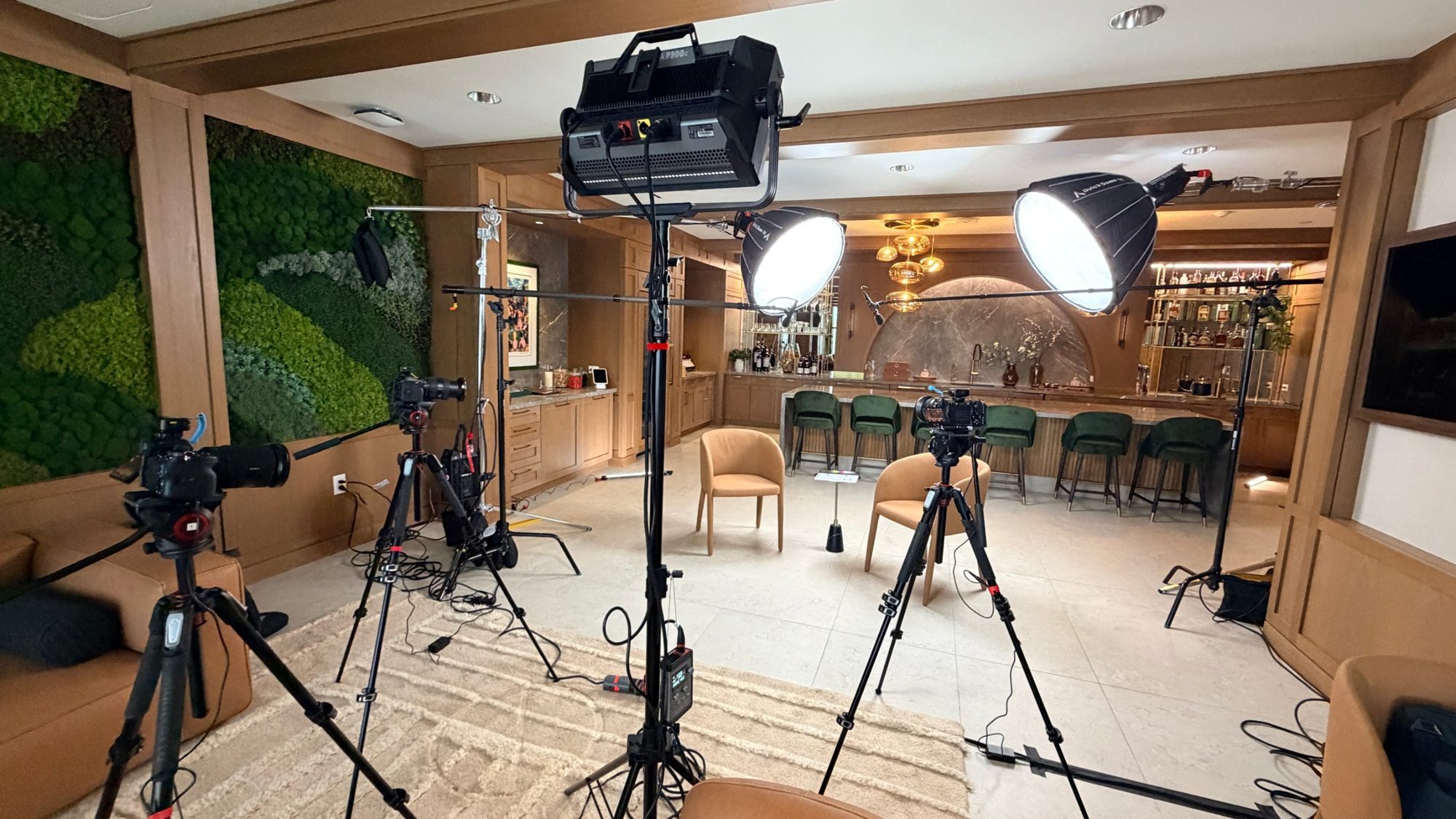
The single biggest thing that separates a real awards broadcast from a glorified Zoom call is camera coverage. You need at least one camera locked on the stage and podium, and at least one that can find faces in the crowd, the winner walking up, the table reacting, the host working the room. One angle can't do both jobs at once, and the moments you most want to capture are the ones a static camera will miss.
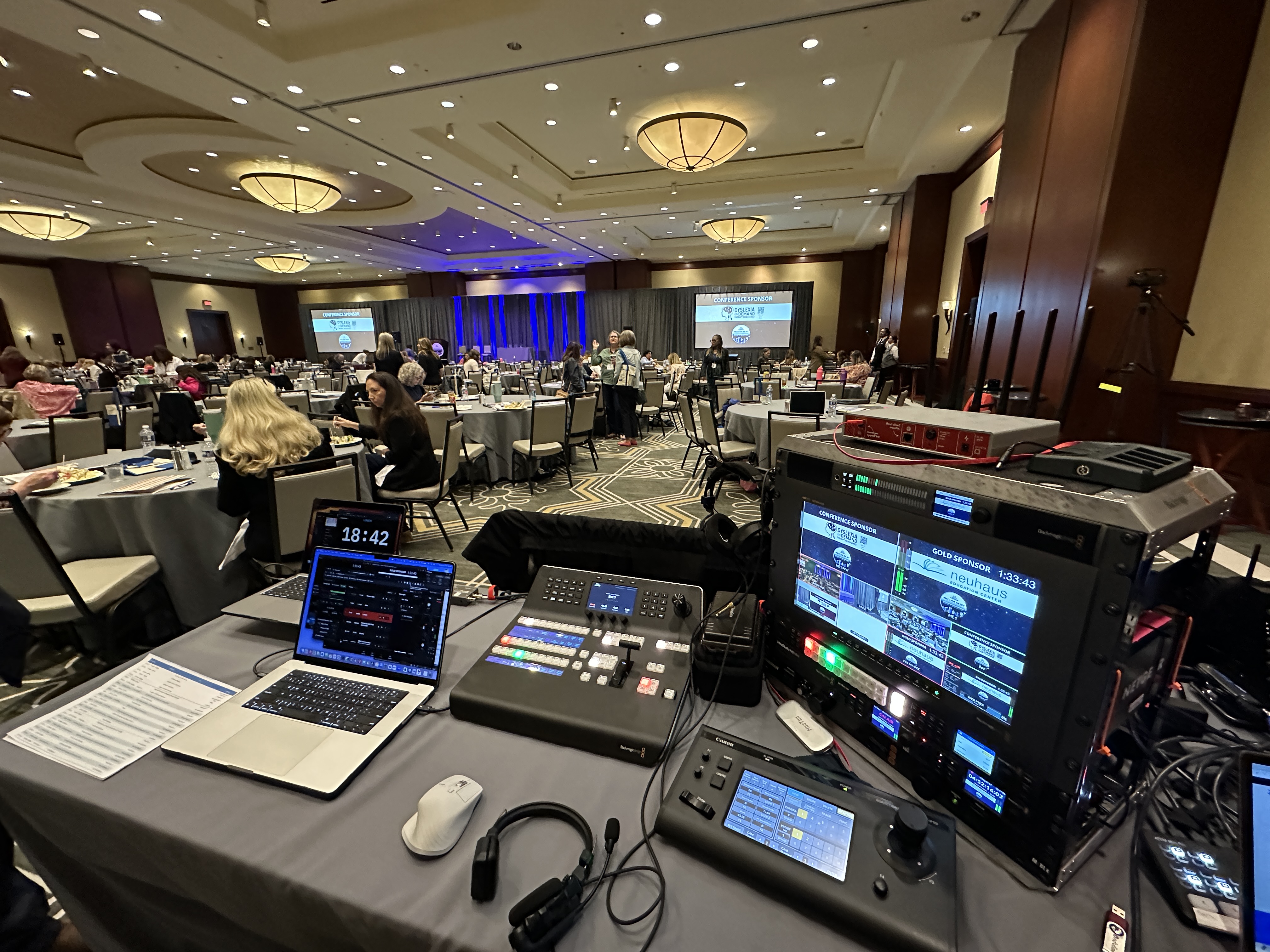
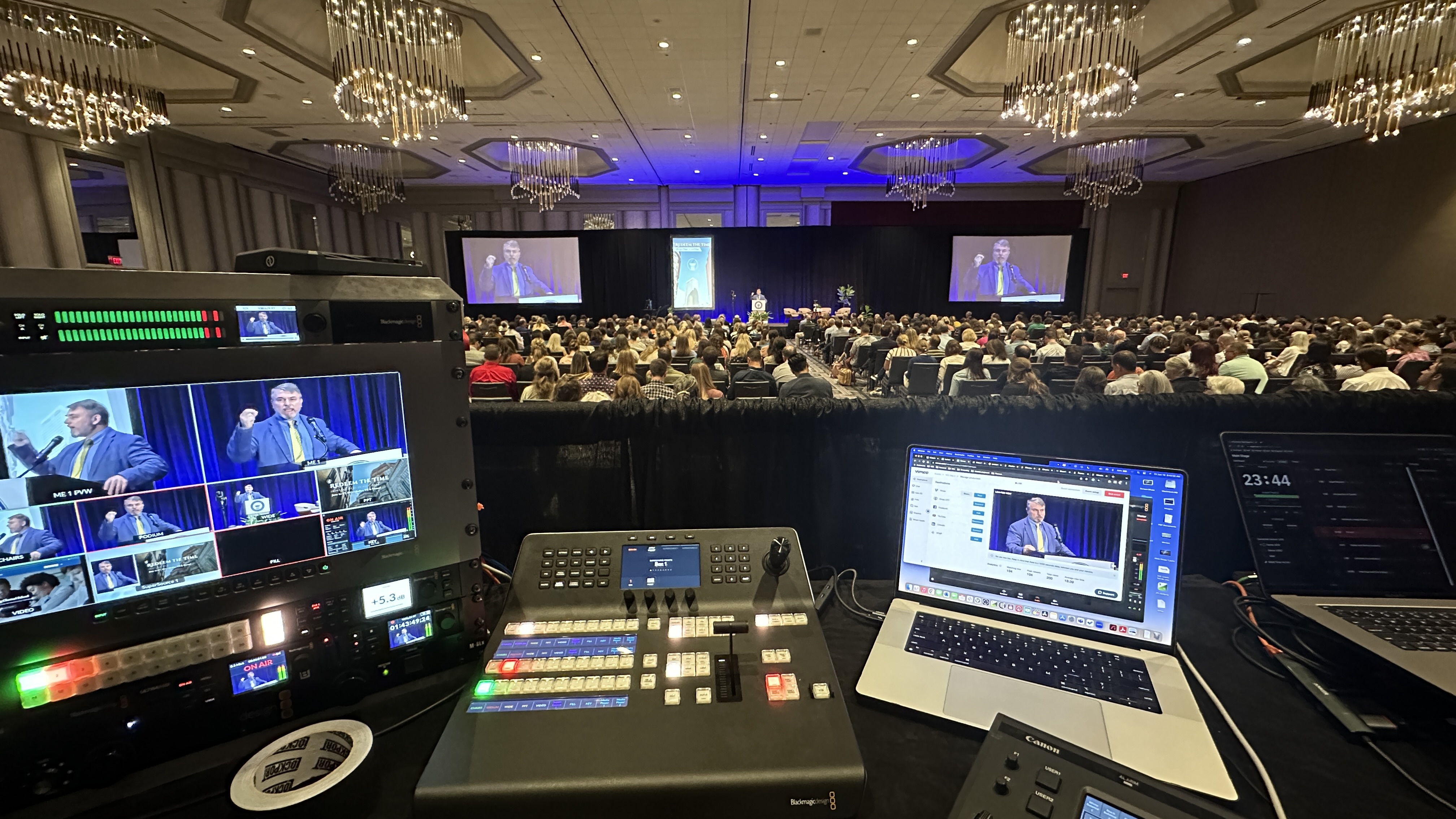
When we produce an awards night, we typically run a mix of operated cameras and PTZ units like the Canon CR-N500, which let one operator quietly cover several angles without a camera person crowding the aisles. Everything cuts through a Blackmagic ATEM switcher so we can move between the stage, the wide, and the reaction shots in real time. The result on screen is a show that feels directed, not just recorded. If you want to go deeper on how this works, I wrote a full piece on multi-camera live production.
People assume video is the hard part. On an awards night, it's usually audio. You've got a host on a wireless mic, acceptance speeches from people who've never held a mic in their life, a band or a playlist running between segments, and applause swelling and dropping all night. Pulling a clean feed out of all that is its own skill.
The right move is almost never a microphone on top of the camera. We take a dedicated feed straight off the house mixing console, often an Allen & Heath SQ5, so what your remote audience hears is the same polished mix the room hears, music and all. We'll add our own Sennheiser wireless where it helps, but the foundation is that board feed. Audio is the thing remote viewers forgive the least, which is why I wrote a whole post on getting your livestream audio right. For a gala, it's the difference between a moving speech and a muddy one.
Galas are lit for the room, not the camera. You'll have a bright stage wash, deep shadows in the audience, color-changing washes, maybe a spotlight following the host, and big shifts every time the program changes. A camera that's exposed perfectly for the podium will turn the crowd into a black void, and a camera set for the room will blow out the stage into a white blob.
This is one of those places where having a real operator earns its keep. Someone has to ride exposure as the lighting changes, balance the stage against the audience, and make sure faces stay visible when a spotlight hits or the house goes dark for a video. It's not something you set once and walk away from. Getting this wrong is one of the most common reasons a stream looks amateurish, and it's on the list of things I cover in why corporate livestreams fail.
Here's the part that doesn't show up on the highlight reel but matters more than anything else. On an unrepeatable night, the whole job is making sure nothing goes dark at the wrong moment. You can't re-run an awards moment, so we build in backups: a redundant encoder path, a bonded cellular unit like the LiveU Solo Pro that keeps the stream up if the venue internet hiccups, backup recording so you walk away with the footage no matter what, and spare gear for the pieces most likely to fail.
I'm honest with clients about this. Most of what you're paying a real production company for on a night like this is the stuff that never happens, the failure that didn't take the broadcast down because there was a second path ready. A cheaper setup might run fine ninety percent of the time. On a one-take night, ninety percent isn't the number you want.
I run a two-crew minimum on awards nights, and for anything with multiple cameras or a hybrid component it's more. One person can't direct the switch, ride audio, manage the stream, and operate cameras all at once, not on a night where everything happens live and there are no do-overs. You need enough hands that nobody is doing two critical jobs at the same time.
I'm a boutique operation on purpose, which means I'm usually on-site myself rather than handing your event to whoever was free. That matters on a night like this. When something shifts in the run-of-show at the last minute, and it always does, you want the person making decisions to be someone who's accountable for the result, not a sub-contractor reading a call sheet. If you want a sense of how I think about staffing and what a real crew looks like, I broke it down in what's included in a corporate livestream package.
A lot of awards nights are hybrid now. You've got the people in the ballroom, and you've got everyone who couldn't travel watching from home, including the families and colleagues of the people being honored. Both audiences deserve a great experience, and they need slightly different things.
The room usually has screens, so the same camera feeds that drive your broadcast can also feed image magnification, which is the big-screen view that lets people in the back actually see the stage. The remote audience needs a clean, well-paced stream with good audio and graphics so it doesn't feel like an afterthought. Running both at once takes planning, and I get into the details in hybrid event best practices. Done right, nobody feels like the second-class audience.
The live broadcast is only half the deliverable. The other half is the clean recording you get when it's over. For a gala, that footage is gold. It's the highlight reel for next year's event, the thank-you you send to sponsors, the clip the honoree shares with their team, the proof for the board that the night landed.
That's why we record clean, full-quality versions on-site rather than relying on whatever the streaming platform saves. A platform recording is usually compressed and locked to one camera angle. A proper multi-camera capture gives you something you can actually cut into a recap or pull individual moments from. If your goal is to get mileage out of the event afterward, this is worth confirming with any vendor up front, and it's part of how I think about measuring whether an event paid off, which I cover in measuring live streaming ROI.
Pricing depends on the scale of the night, but here's a real frame. A straightforward in-person awards stream with a small multi-camera setup generally starts around the high three thousands. A larger ceremony with more cameras, a full hybrid component, image magnification, and the redundancy these nights call for typically lands somewhere in the five to fifteen thousand range.
The spread comes down to camera count, whether you're serving a remote audience and the room at the same time, how much graphics and run-of-show support you need, and the level of backup you want in place. I never quote a gala off a rate card, because no two are the same. If you want the full breakdown of what drives the number, I laid it out in how much it costs to livestream an event.
Most awards nights need at least two, one on the stage and one for reactions and the crowd. Larger galas often use three or four so you can cover the podium, the walk-up, the audience, and a wide of the room without missing the live moments that make the night.
Yes, that's a hybrid event, and it's common for awards nights now. The same camera feeds can drive the in-room screens and the remote broadcast at once, so the people in the ballroom and the families watching from home both get a great experience.
This is exactly why redundancy matters. We run a bonded cellular backup like a LiveU Solo Pro that keeps the stream alive if the venue connection drops, plus on-site recording so the footage is safe no matter what happens to the live feed. On a one-take night, that backup is the whole point.
Because there's a lot going on, host mics, acceptance speeches, music, applause, and a microphone on a camera can't capture it cleanly. We pull a dedicated feed off the house mixing board so your remote audience hears the same polished mix as the room, which is what makes a speech land instead of sounding muddy.
Yes, and a good one. We capture clean, full-quality recordings on-site rather than relying on the streaming platform's version, so you walk away with footage you can cut into a recap reel, share with sponsors and honorees, or use to promote next year's event.
A straightforward in-person awards stream generally starts in the high three thousands, while a larger multi-camera or hybrid production typically runs between five and fifteen thousand. The exact number depends on camera count, whether you're serving a remote audience, graphics, and how much redundancy the night calls for.
The earlier the better, especially during busy award and fundraising seasons in the spring and fall. Reaching out a few months ahead gives us time to scout the venue, plan the run-of-show with your team, and lock in the right crew, though I'll always try to help on a tighter timeline if I can.
DFW is home base, but I travel for the right events. If you're planning an awards night elsewhere, reach out and we'll figure out whether it makes sense. You can read more about working with a local team in finding a live streaming company near you.
If you're planning a gala, a recognition dinner, or an annual awards ceremony and you want it to feel special for both the room and the people watching from home, I'd love to hear about it. Tell me the venue, the date, and roughly how big the night is, and I'll put together a plan and a quote. And if you're still in the early stages, take a look at what to expect when you hire a livestream company so you know how the whole process works.
Mark runs DFW Live Stream and has been producing corporate livestreams, conferences, town halls and webinars across Dallas–Fort Worth and around the country since 2017. He writes these from the production desk, not a marketing department, and uses AI tools to help draft and structure them. Every post is read, fact-checked and edited by him before it goes live.