If you have been asked to plan a hybrid event and you are not entirely sure what that means, you are not alone. The term gets thrown around a lot in corporate circles, but planners across DFW still ask me the same question — what exactly is a hybrid event, and how is it different from just putting a camera in the room? After producing hybrid events and virtual event programs for companies of all sizes over the past decade, I can tell you the answer is more nuanced than most people think. A true hybrid event is not just a physical event with a broadcast bolted on. It is a completely different event format that requires its own event strategy, technology, and planning approach.
A hybrid event is a modern event format that blends the best of both worlds: in person and virtual experiences. By integrating a virtual component alongside the traditional in person gathering, hybrid events allow attendees to choose how they participate—either by being physically present at the venue or joining remotely from anywhere in the world. This flexibility means your event can reach a much wider audience, breaking down geographic barriers and making it easier for more people to engage with your content.
Hybrid events are now a go-to solution for conferences, trade shows, seminars, workshops, and more. By offering both person and virtual attendance options, you provide more value to your audience and your organization. Not only do you increase attendance, but you also create opportunities for richer engagement, better data collection, and extended event life through on demand content. Whether your goal is to educate, network, or generate leads, a hybrid event ensures your message reaches further and resonates with a broader audience.
A hybrid event combines an in person event with a virtual event happening at the same time. Both in person attendees and virtual attendees participate in the same experience — hearing the same speakers, engaging with the same content, and interacting with each other across the physical and digital divide. The definition comes down to intentionally designing something that works equally well for people who attend physically and people who attend virtually. That is what separates a real hybrid event from a webcam propped up in a conference room.
A lot of companies think they are running a hybrid event when they share a Zoom link for their in person gathering. That is not a hybrid — that is an onsite event with a bad virtual component. A successful hybrid event treats the virtual audience and the in person audience as equal participants from the very start of the planning process.

There are several types of hybrid events that organizers should understand. The most common types of hybrid events include conferences where virtual attendees join keynotes and breakout sessions, company town halls where leadership addresses both onsite attendees and remote teams, training sessions where physical attendees and virtual participants learn together, and product launches where a live audience watches in person while a digital audience tunes in from anywhere. Each of these requires a slightly different approach, but the key elements stay the same — both audiences need to feel included.
Internal hybrid events are company-focused programs like all-hands meetings, quarterly reviews, and training sessions. These programs typically need tighter security, password-protected streams, and integration with corporate tools. External hybrid events — like conferences, trade shows, and product launches — focus more on reaching new prospects, broader audience growth, and brand visibility. Event planners need to understand which type they are producing because the technology, the platform, and the approach changes based on the event goals you are trying to accomplish.
Hybrid events provide something that traditional events simply cannot — the ability to reach both a live audience and a digital audience at the same time. For event planners managing budgets and trying to maximize attendance, the hybrid format is one of the most powerful strategies available. Virtual and hybrid events give organizers the flexibility to connect with a wider audience than purely in person events could ever reach.
Traditional events limit attendance to people who can be there in person. A hybrid event opens the doors to a broader audience — virtual attendees from different cities, states, or countries can join without travel. We produced a hybrid event for a financial services company where 200 physical attendees were in the Dallas office and another 150 virtual attendees joined from three different states. That kind of increased attendance is only possible when you design the program as a hybrid from the start. Event organisers who embrace this model consistently see higher participation numbers than those who stick to purely in person events or purely virtual events.
Hybrid events provide more value from every dollar you spend on content. When you live stream and record a live event, that content becomes an asset you can use for months. Clips for social media, on demand replays for employees who missed it, highlight reels for stakeholders — one hybrid event can fuel your content strategy for weeks. Smart event marketers treat every hybrid gathering as a content engine, not a one-time occasion. The on demand event content you capture has lasting benefits that most planners miss.
For external hybrid events, the data you collect is gold. A virtual event platform tracks who registered, how long virtual attendees watched, which sessions got the most audience engagement, and where virtual visitors dropped off. That event data gives event planners real insight into what worked and what needs to improve. When combined with registration tools on the platform, hybrid events become a measurable part of your marketing strategy — not just a line item on the budget.
The in person element of any hybrid event needs to stand on its own as a great experience. Onsite attendees at your live event should not feel like they are just props for a broadcast. Everything from the room layout to the audio to the networking opportunities should be designed with in person attendees in mind.
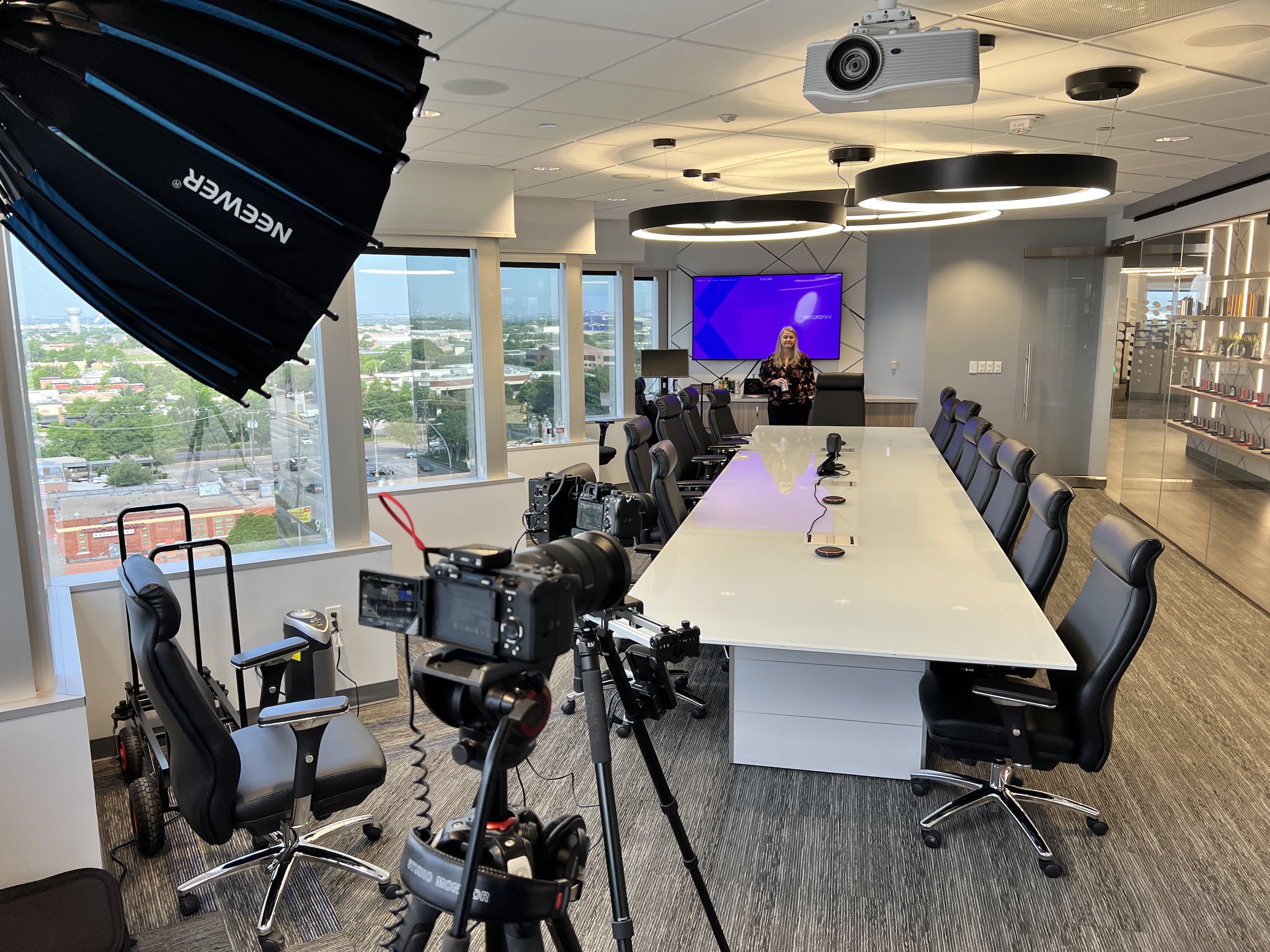
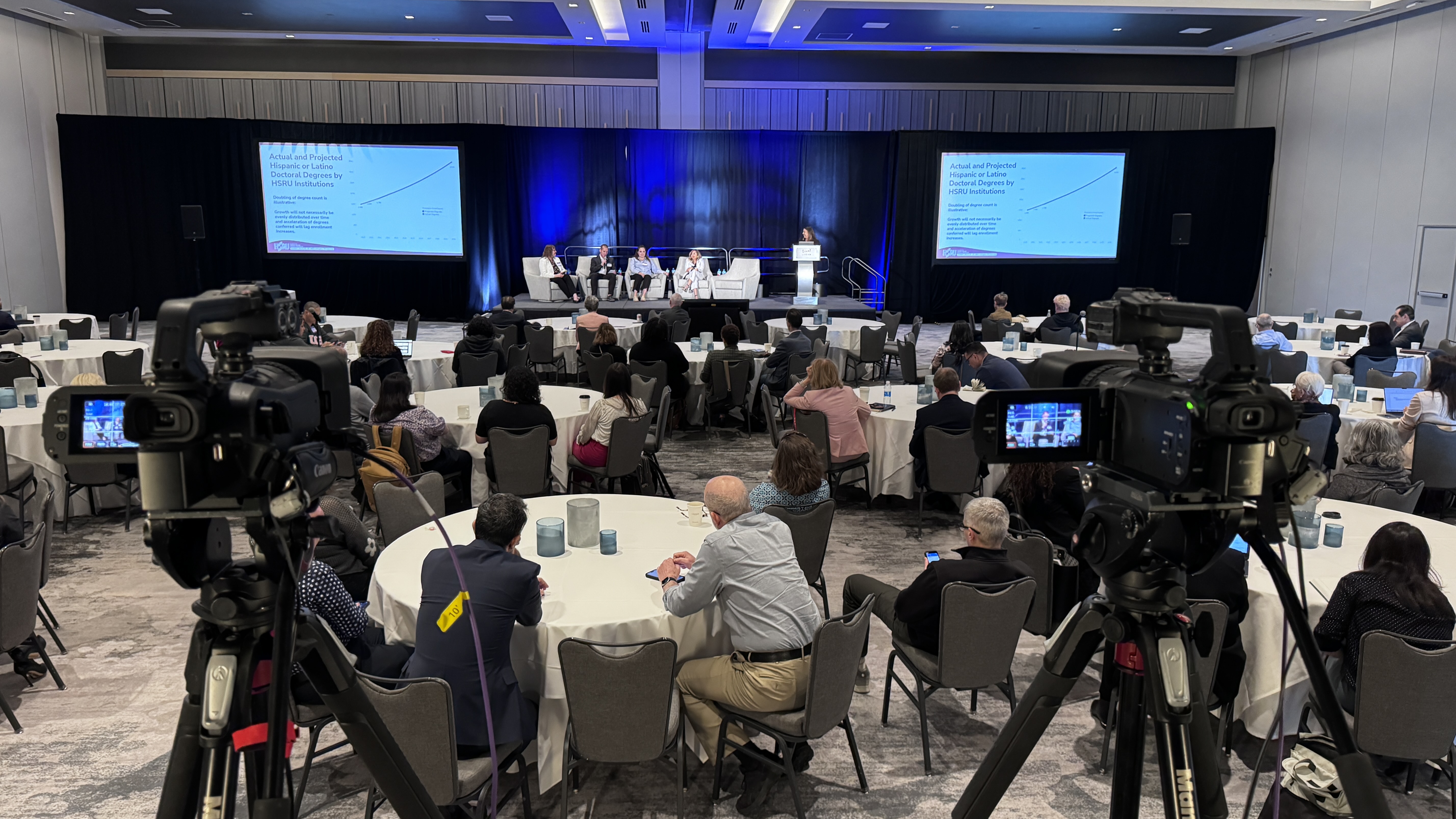
The in person experience starts with the physical space. Onsite event design means positioning cameras where they capture speakers without blocking sightlines for physical attendees. It means placing screens in the same room so in person attendees can see virtual attendees on screen during Q and A sessions. We have designed onsite event setups at venues across DFW — from the Gaylord in Grapevine to corporate campuses in Plano — and the in person experience always depends on how well the space is planned for both audiences.
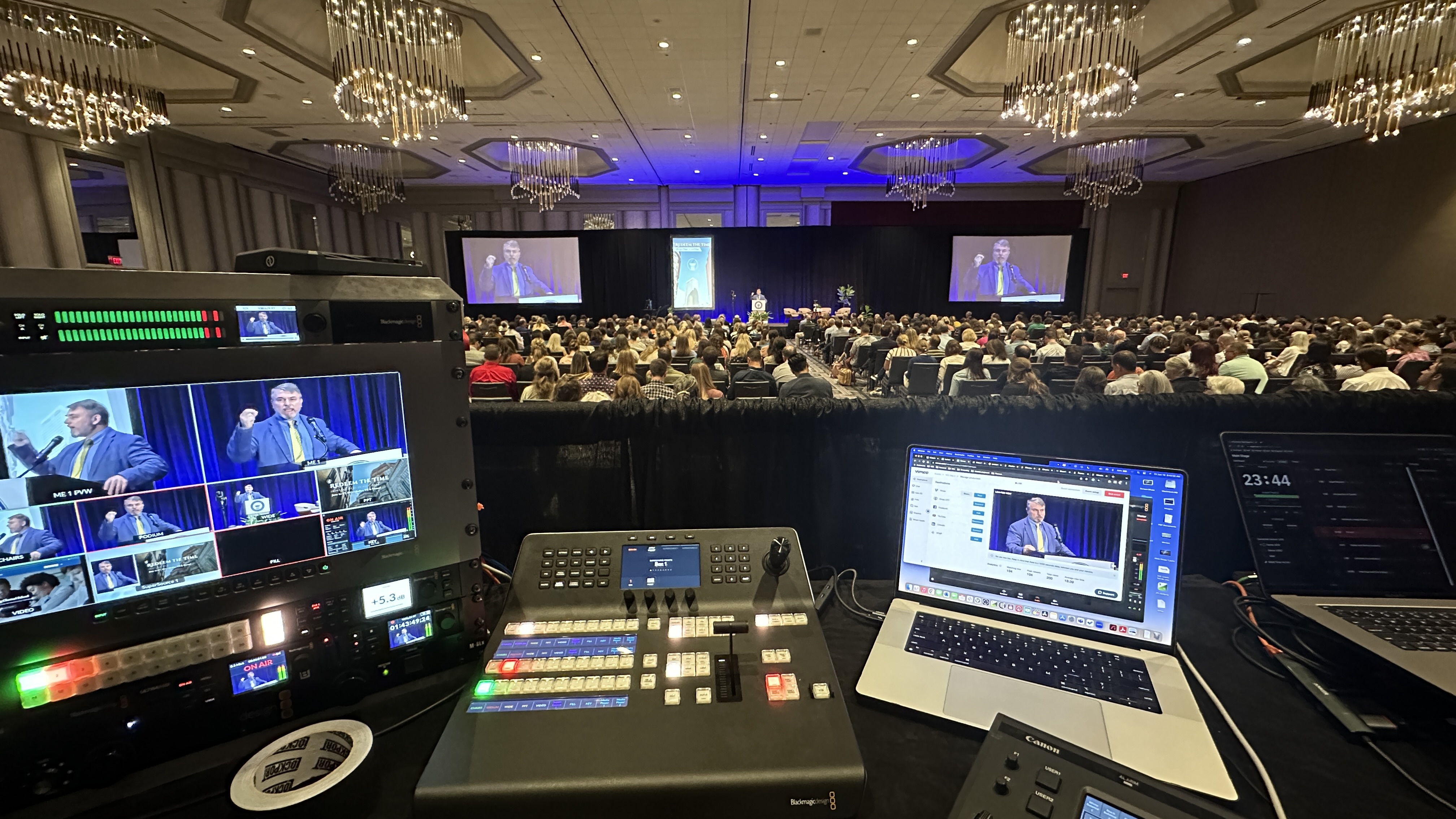
Physical attendees and onsite attendees need tools that keep them active during the hybrid event. Live polls work perfectly here — both in person attendees and virtual attendees can participate on their phones, and results display on screen for the entire live audience. Audience engagement for onsite attendees also means creating networking breaks, setting up comfortable spaces for conversation, and making sure speakers acknowledge the people in the room — not just the camera. Event organisers who focus only on the virtual side often neglect those attending in the room, which creates a frustrating event experience for physical attendees who made the effort to show up.
Managing the in person logistics of a hybrid event requires careful coordination to ensure a seamless experience for both onsite and remote attendees. Venue selection is critical—not only does the space need to accommodate your physical audience comfortably, but it must also support the technical requirements of a live stream and virtual component. This means reliable internet connectivity, ample power sources, and flexible layouts for camera placement and AV equipment.
Registration and check-in processes should be streamlined for in person attendees, with clear signage and staff available to guide guests. At the same time, these logistics must be synchronized with the virtual platform, so everyone—whether attending physically or virtually—receives the same information and access to event content. Don’t forget about health and safety protocols, catering, and breakout spaces for networking, all of which contribute to a positive in person experience.
Finally, effective communication between your onsite team and virtual production crew is essential. Regular run-throughs and clear roles ensure that transitions between in person and virtual segments are smooth, keeping both audiences engaged and connected throughout the event.
The virtual component is where most hybrid events fall apart. If your virtual attendees feel like afterthoughts watching a grainy feed with bad audio, you do not have a hybrid event — you have a failed virtual event that damages the entire event experience. Planners need to invest just as much thought into the virtual component as the in person element.
The virtual event platform you choose shapes the entire virtual experience for your digital audience. A dedicated hybrid event platform offers features like live polls, Q and A, chat, breakout rooms, and networking tools that basic video conferencing software does not provide. We usually recommend a dedicated hybrid event platform over web conferencing tools because the interactive features are purpose-built for this kind of program — not repurposed from daily work calls. The virtual platform you select directly impacts how engaged your online audience and digital audience will be.
Virtual attendees deserve a virtual experience that feels intentional — not like an afterthought bolted onto an onsite event. The experience should include custom branding, clean video and audio, easy navigation, and engagement tools that keep virtual attendees active throughout the program. I have seen hybrid events where virtual attendees had a better experience than in person attendees because the organizers invested in a solid virtual event platform and designed every virtual element with remote viewers in mind.
Some hybrid events feature remote presenters who speak to both those in the room and the virtual audience. This is one area where technology matters enormously. Those presenters need reliable internet, professional audio, and a stable connection. For the digital audience watching from home, remote speakers should feel just as polished as the presenters on stage. Event organisers should do a full tech rehearsal with every remote presenter before the live event to avoid technical issues during the actual broadcast.
The right engagement tools are what separate a successful hybrid event from a passive webinar. Features like live polls, real-time Q and A, and interactive sessions give virtual participants and virtual visitors a reason to stay focused. Engagement tools let audience members participate actively rather than just watching. The best hybrid events use these features throughout the entire program — not just during a single Q and A segment at the end. Planners should map out interactive moments in the agenda to keep both the online audience and the in person audience involved from start to finish.
Creating compelling content for a hybrid event means thinking beyond the stage. Your presentations, videos, and interactive sessions need to engage both the in person audience and virtual attendees equally. Start by designing content that is visually dynamic and easy to follow, whether someone is sitting in the front row or watching from their laptop at home.
Consider using multiple camera angles, branded graphics, and live polls to keep both audiences involved. Interactive elements like Q&A sessions, online chat, and real-time feedback tools help bridge the gap between physical and digital participants. When planning your agenda, build in moments where virtual and in person attendees can interact—such as hybrid networking sessions or collaborative workshops.
One of the biggest advantages of hybrid events is the ability to repurpose your event content. Record every session and create on demand assets that can be shared with those who couldn’t attend live, used for lead generation, or distributed across your marketing channels. By treating your hybrid event as a content engine, you maximize the value of every presentation and interaction, extending your reach and impact long after the event ends.
Technology is the backbone of every successful hybrid event. When the technology works, nobody notices. When it fails, that is all anyone remembers. Event planners need to understand the technology stack behind a hybrid so they can make informed decisions about what to invest in.
Video conferencing software is fine for a hybrid meeting or a small internal session. But for a larger hybrid event — especially one with external attendees, multiple sessions, or lead generation goals — a dedicated platform delivers a completely different experience. That kind of software was designed for daily calls, not for large gatherings. A dedicated option supports custom branding, registration, analytics, replay, and features that standard call software simply does not offer. Event organisers should evaluate their event goals before choosing between web conferencing and a full production setup.
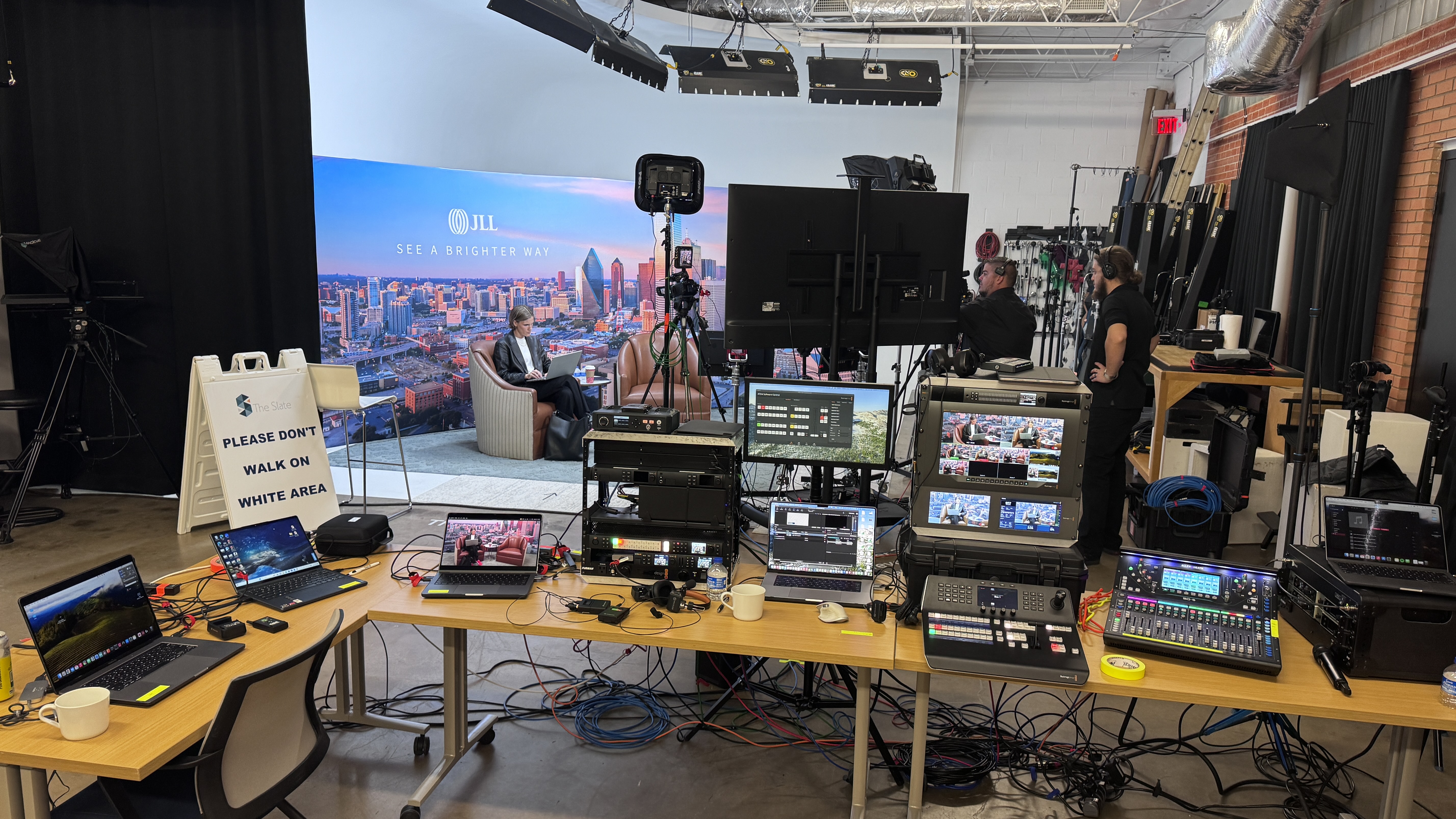
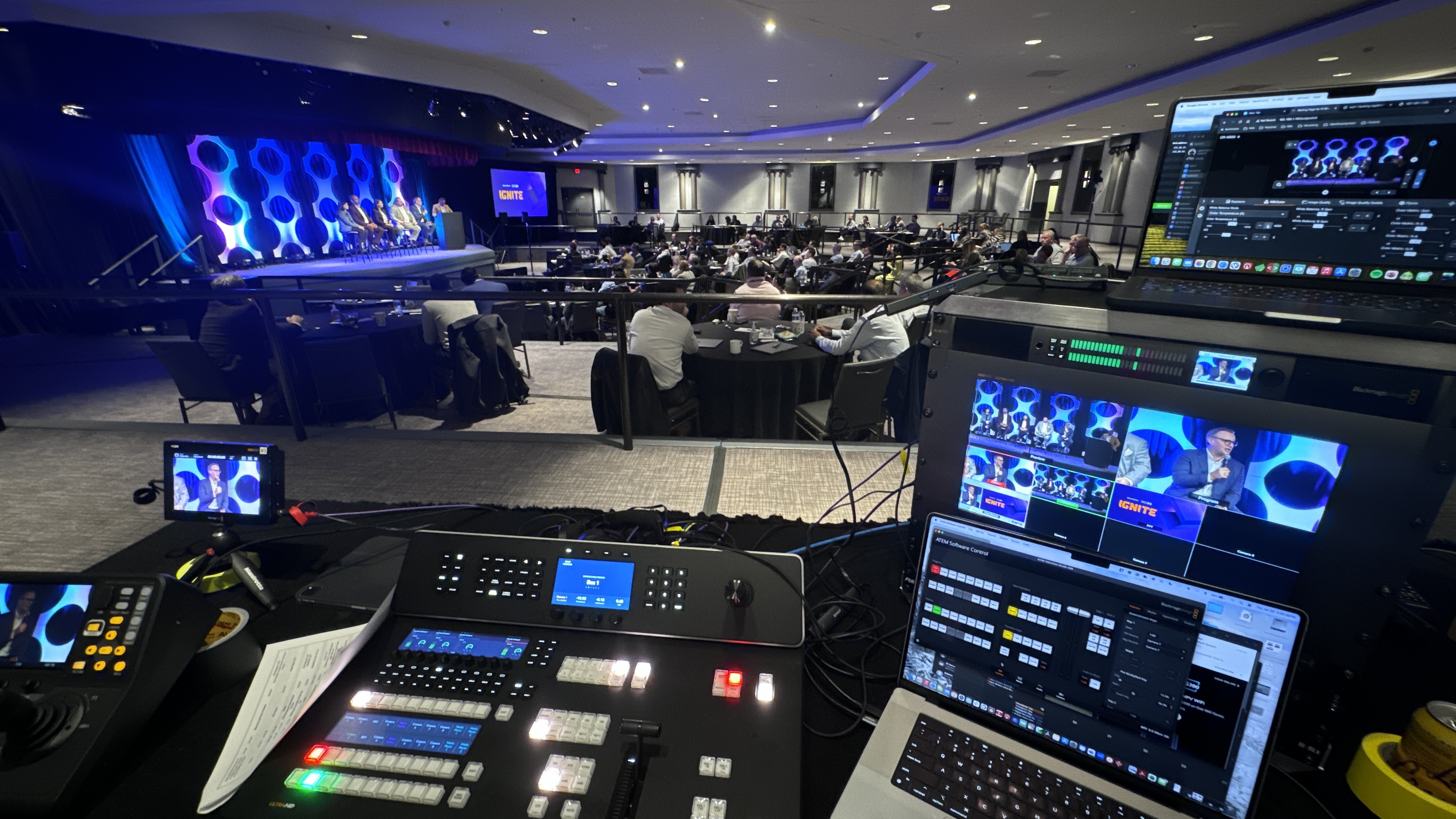
The live stream is what connects your in person event to your virtual audience. We use Canon CRN500 PTZ cameras and a Blackmagic ATEM switcher to create broadcast-quality video for every hybrid event. The feed goes into whatever virtual event platform the client is using — whether that is a private viewing page, a dedicated platform, or a social media broadcast. We also bring a LiveU Solo Pro encoder that bonds cellular, WiFi, and hardwired ethernet so the broadcast stays up regardless of venue internet conditions. For virtual attendees watching remotely, the video quality determines whether they stay engaged or close the tab.
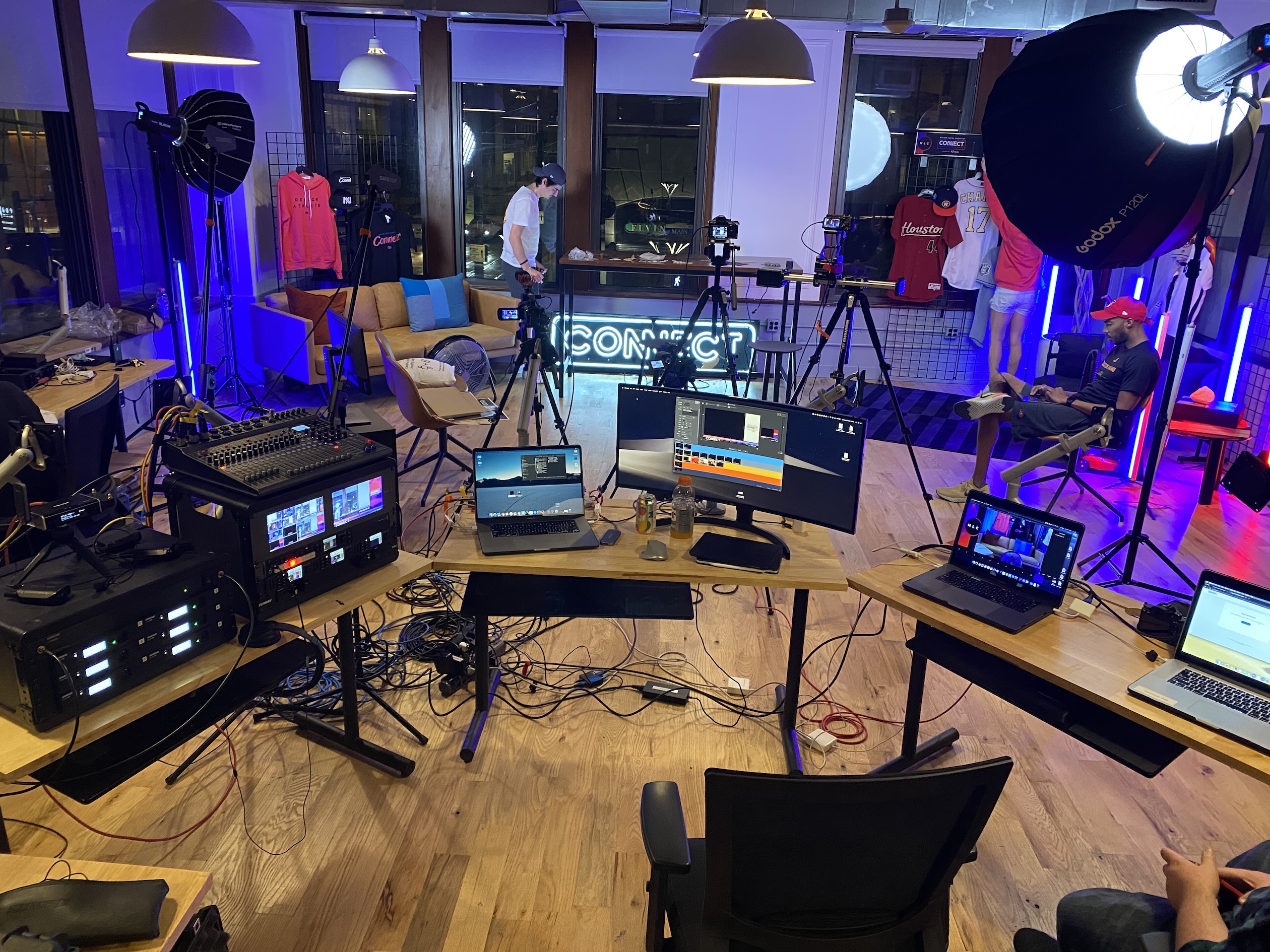
Audio is honestly the most important piece. In person attendees in the room need to hear virtual participants clearly. Virtual attendees need to hear everything happening in the room. And when audience members speak up during Q and A, both the live audience and the remote audience need to hear them. That three-way audio challenge is what makes hybrid events so technically demanding. We use an Allen and Heath SQ5 mixer and Sennheiser wireless microphones to keep audio clean in every hybrid setting. Bad audio ruins the experience for everyone — in person attendees and virtual attendees alike.
One of the biggest advantages of hybrid events is the on demand content you create. Record every session and host it so virtual visitors who missed the live event can watch later. On demand replays are especially valuable for companies running in person events across time zones — not every virtual attendee can join the broadcast in real time. That replay library extends the life of your virtual event far beyond the day it happened.
If you are ready to host a hybrid event, the planning process starts well before the day of. Here is what you need to think through to create a successful hybrid event.
Every successful hybrid event starts with clear goals. Is this an internal town hall, a customer conference, a product launch, or a training program? Your objectives determine the format, the platform, the audience engagement approach, and the budget. A solid event strategy maps out how in person attendees at the virtual event and virtual attendees will participate, what features you will use, and what data you want to capture. Planners who skip this step end up with a hybrid that does not serve either audience well.
The hybrid event agenda should be designed for both audiences from the start. Build in breaks so in person attendees can network and virtual attendees can step away from their screens. Schedule interactive sessions — live polls, Q and A, breakout rooms — so person and virtual attendees engage with each other. If you have remote presenters, make sure the schedule gives them enough time and that the person and virtual transitions feel smooth. Planners often underestimate how much more planning a hybrid event or hybrid meeting requires compared to a purely in person event or a purely virtual event.
Keeping virtual attendees engaged is one of the biggest challenges with hybrid events. Virtual attendees are sitting at home with a hundred distractions — email, Slack, their phone. If the program does not give them a reason to stay focused, they will multitask. Engagement tools like live polls, audience Q and A, online chat, and interactive sessions keep the digital audience involved. Assign a facilitator to manage the online component — someone who monitors the virtual audience, surfaces questions from virtual participants, and makes sure person and virtual attendees are included equally. That role is essential for every hybrid event.
After any hybrid event, the data tells you what worked. How many virtual attendees joined? How long did the online audience stay? Which sessions got the most audience engagement from virtual visitors? A good platform tracks all of this automatically. Event planners should review the results within a week and use those insights to improve their event strategy for future programs. The insights from one hybrid event can reshape your entire approach to virtual and hybrid events going forward.
Hybrid meetings come with their own set of challenges and opportunities. To ensure a successful hybrid meeting, it’s crucial to create an environment where both in person and remote participants feel equally included and empowered to contribute. Start by selecting a hybrid event platform or video conferencing software that supports features like screen sharing, breakout rooms, and real-time chat, so everyone can participate regardless of location.
Facilitators play a key role in managing the flow of conversation, making sure remote attendees have opportunities to speak and that their questions are addressed alongside those in the room. Use engagement tools such as live polls, virtual hand-raising, and collaborative whiteboards to keep all audience members involved. Clear audio and video are essential—invest in quality microphones and cameras so remote participants can see and hear everything happening in the same room.
Finally, set expectations for participation and etiquette at the start of the meeting. Encourage both in person and virtual attendees to engage actively, and provide support for anyone who needs help with the technology. By planning ahead and leveraging the right tools, you can create hybrid meetings that foster new connections, drive collaboration, and deliver a truly unified event experience.
Even experienced organizers make mistakes with hybrid events. The most common one I see is treating the virtual audience as an afterthought. If you design the entire onsite event first and then try to add a virtual component at the last minute, your virtual attendees will have a terrible virtual experience. An event hybrid format needs to be designed for both audiences from day one. The best event hybrid programs treat the online component and the physical side as equally important from the start.
Some planners try to force a physical event into a hybrid format without changing anything about the agenda, the room layout, or the engagement approach. That does not work. The event hybrid model requires different camera angles, different audio setups, different participation approaches, and a completely different way speakers interact with both the in person audience and the digital audience. Those who treat a hybrid like a traditional gathering with a camera in the back will end up with something that frustrates both onsite attendees and remote attendees.
I always tell planners — never skip the rehearsal. Test the cameras, the audio, the broadcast, the platform, the engagement features, and every piece of technology in the room before the live event. A physical event has its own challenges, and when you add a virtual component to create a hybrid, the complexity doubles. We run a full tech check the day before every hybrid event we produce. It is the difference between a smooth event experience and a scramble that your virtual attendees and in person attendees will both notice.
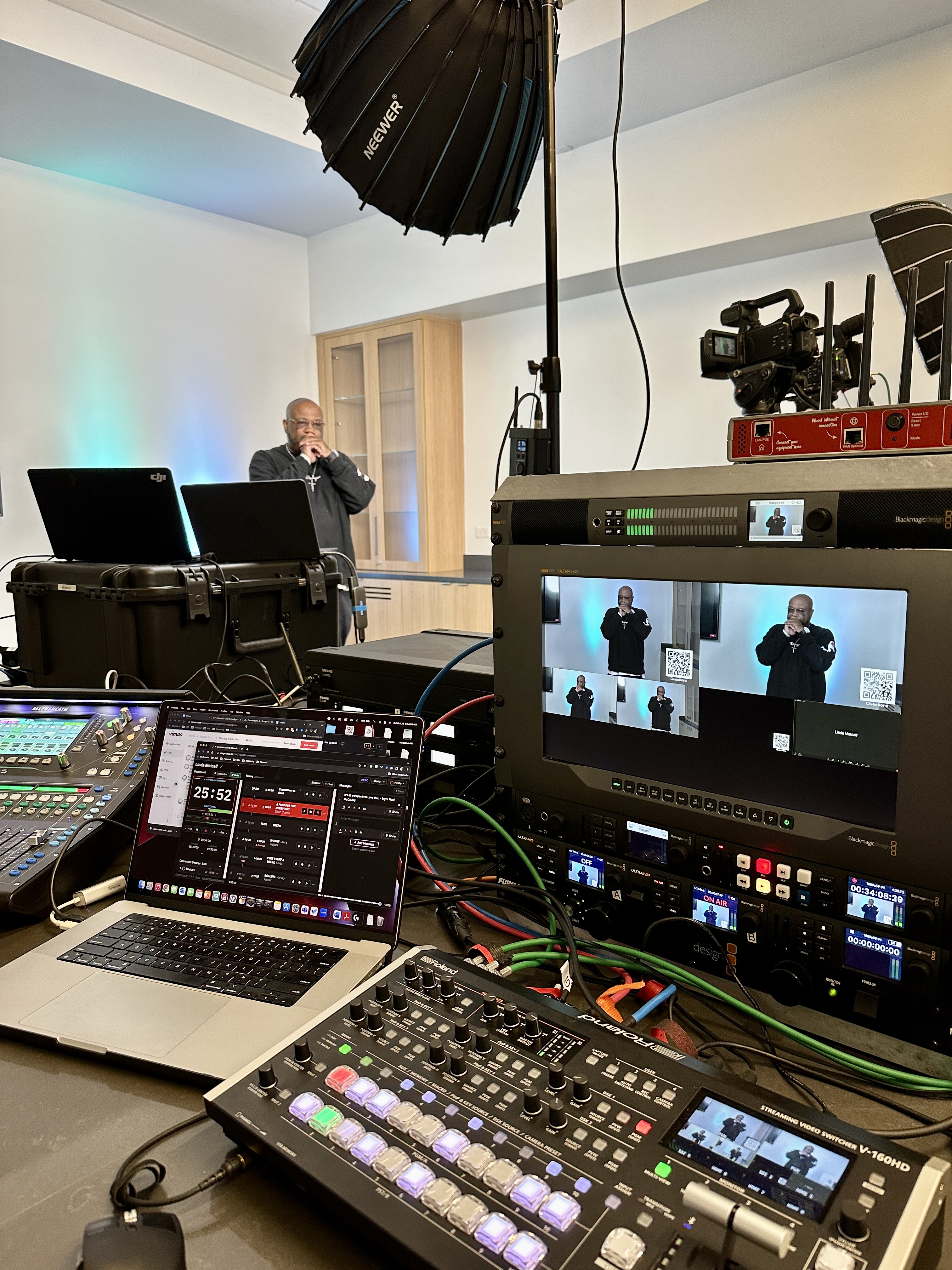
Whether you are looking to host a hybrid event for the first time or you want to level up from basic web conferencing, the right production team makes all the difference. Virtual event production combined with in person events is how modern companies connect in person attendees and virtual attendees — creating a program that works for everyone regardless of where they are. At DFW Live Stream, we handle the cameras, audio, live stream, platform integration, and production so you can focus on what matters — delivering value to every person and virtual attendee in the room and watching online. If you are planning your next hybrid event or hybrid meeting, reach out and let us help you build something your entire virtual audience and in person audience will remember.
Hybrid events have transformed the way organizations connect with their audiences, offering the flexibility to engage both in person and virtual attendees in a single, unified experience. By thoughtfully integrating the virtual component with the onsite event, you can reach a broader audience, deliver more value, and create lasting impact through on demand content and actionable event data.
Whether you’re planning a hybrid meeting, conference, or special occasion, the right strategy and technology are key to success. At DFW Live Stream, we specialize in producing seamless hybrid events that keep every audience member—onsite or online—engaged and connected. Ready to elevate your next event? Contact us to discover how our expertise can help you deliver a memorable, high-impact hybrid event for your organization.